
A Cape Town safari and wine tour brings together two very different sides of the Western Cape: open landscapes where you explore with a wildlife guide, and vineyard valleys where the afternoon can unfold over a tasting. November is a rewarding time to combine them, with generally warmer, drier weather than winter and plenty of reasons to spend time outdoors.
Published on 11 November 2026, this guide is designed for international visitors fitting wildlife and wine into a short Cape Town stay. Knap Tours’ 3-Day Safari and Wine Tour – Cape Town runs for three days and starts from US$1422. Below is a practical planning itinerary, with realistic travel allowances and advice on what to confirm before booking.
Why visit Cape Town in November?
November falls in late spring in the Southern Hemisphere. Cape Town’s winter rainfall usually becomes less frequent, afternoons tend to warm up, and the Winelands are green with seasonal growth. It is a lovely setting for combining a reserve visit with time among the vineyards.
However, warmer does not mean consistently hot or wind-free. Cape Town can be breezy, inland valleys may feel considerably warmer than the coast, and early game drives can start in surprisingly cool conditions. Rain remains possible. Pack for changing conditions rather than relying on a summer-only wardrobe.
The practical benefit of Cape Town in November is flexibility: wildlife viewing can be scheduled around the cooler parts of the day, while a relaxed lunch and wine tasting suit the afternoon. Your guide and confirmed itinerary should determine the actual sequence.
Your three-day plan: what is confirmed?
The featured product is Knap Tours’ three-day safari and wine tour from Cape Town, advertised from US$1422. The information supplied for this article does not specify its reserve, accommodation, daily sequence or itemised inclusions. Accordingly, the itinerary below is a planning framework, not a claim that particular lodges, estates, meals or activities are included.
Before paying, request a dated quotation confirming the price basis, your travel dates and the following details:
- Pickup and drop-off locations, road transfers and any airport arrangements.
- Accommodation, room type and the number and location of overnight stays.
- The reserve, number of game drives and applicable conservation or entrance fees.
- Wine estates, tasting fees, meals, drinks and any optional experiences.
- Payment and cancellation terms, plus any age or activity restrictions.
Do not assume that the starting price applies to every departure, room arrangement or group size. Your written quotation is the reference for exactly what your booking covers.
Day 1: Leave Cape Town for the safari portion
Allow time for the road journey
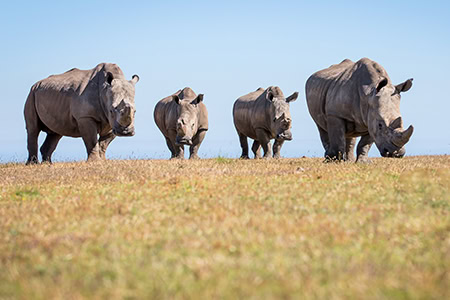
Start your 3 day Cape Town safari itinerary with a proper travel allowance rather than a tightly packed morning of city sightseeing. Nearby safari reserves are outside Cape Town, and driving time depends on which reserve is booked, your pickup address, traffic and road conditions.
For orientation, the journey from central Cape Town to the Aquila area near Touws River typically takes around two to three hours by road. This is a regional example, not confirmation that Aquila is the reserve used by the featured tour. Your actual transfer time should appear in the final arrangements.
Have breakfast before departure unless your itinerary specifies otherwise, and keep water, sunglasses and a light layer within reach. Visitors arriving on a long-haul flight are better served by spending the previous night in Cape Town than trying to connect straight into a time-sensitive safari departure.
Settle into the reserve experience
If your confirmed programme places a game drive on the first afternoon, allow time beforehand for arrival formalities and the guide’s briefing. The drive is an opportunity to understand the landscape, animal behaviour and the reserve’s conservation context—not simply to collect photographs of a checklist.
Wildlife sightings are never guaranteed. Listen to your guide, remain seated when instructed and keep voices low around animals. Binoculars are useful even in relatively open terrain: birds, distant antelope and small details often reward attention as much as a close encounter.
Day 2: Wildlife viewing and the transition to wine country
Make room for a cool morning
If a morning drive is included in your booking, prepare your layers the night before. An open vehicle can feel cold before the sun has warmed the landscape, even when the afternoon forecast looks inviting. A fleece and wind-resistant jacket make the experience far more comfortable.
Morning light can be excellent for photography, but animal activity varies with weather, habitat and chance. Let the guide decide where to spend time rather than expecting a particular species at a particular hour. Confirm breakfast and checkout timing so that the next road journey does not become a rush.
Keep the transfer day realistic
The move between a reserve and the Winelands can take several hours, depending on the route and chosen estate. Avoid assuming that a morning game drive, lengthy transfer and several tastings will all fit comfortably into one day.
A useful local planning principle is to keep transfer days light. If the tour’s confirmed sequence allows a wine stop this afternoon, one unhurried tasting is often more enjoyable than racing between estates. Otherwise, use the afternoon to settle into your next stop and leave the main wine experience for day three.
Estate opening hours and tasting appointments matter. Ask Knap Tours to confirm the planned visits rather than choosing additional stops independently that might conflict with the booked route.
Day 3: Enjoy the Winelands before returning to Cape Town
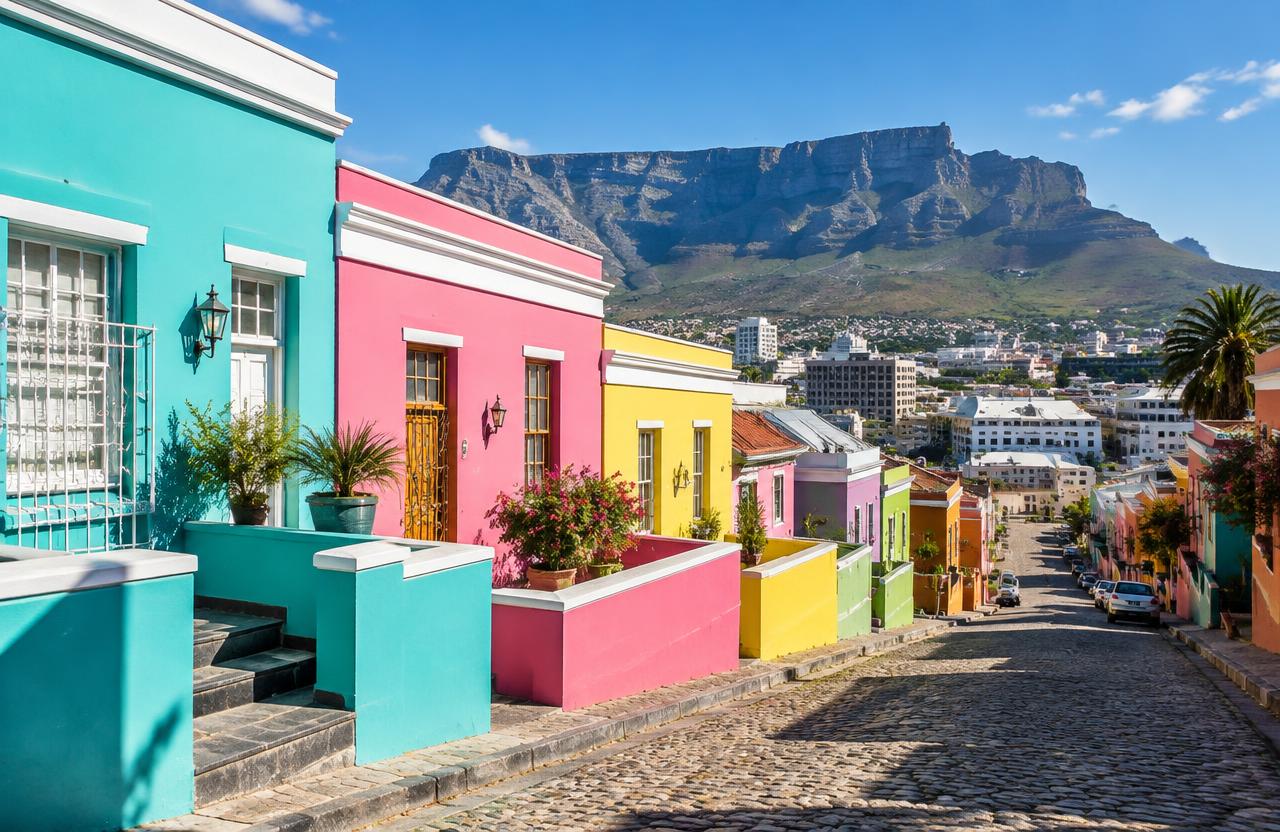
For the wine-focused part of this safari and wine tasting South Africa escape, think in terms of one area rather than trying to cover every famous valley. Stellenbosch and Franschhoek both offer beautiful vineyard settings, but travelling between estates takes time that is easy to underestimate.
As a broad guide, central Cape Town to Stellenbosch usually takes about 45–75 minutes by road, while Franschhoek commonly takes about 60–90 minutes. These are approximate one-way driving times in reasonable conditions, not promised transfer durations. Peak traffic and your exact destination can extend them.
At tastings, tell the host what you enjoy, whether that is crisp whites, lighter reds or fuller-bodied wines. You do not need specialist knowledge to ask good questions. Eat, drink water and feel comfortable using the spittoon or declining a pour. Non-drinkers should ask in advance what alternatives are available and whether these carry extra charges.
Confirm the final drop-off time before arranging dinner or an onward flight. A late tasting followed by a road transfer is not a sensible match for a tight airport connection.
How does a Western Cape safari differ from Kruger?
A Western Cape reserve experience is convenient for travellers whose holiday centres on Cape Town. Many nearby options operate on comparatively compact, fenced and actively managed reserves, with guided drives following the property’s own programme. Habitats and animal populations differ from one reserve to another.
Kruger and adjoining Greater Kruger reserves offer a much larger Lowveld safari setting. Distances, vegetation, wildlife movements and the potential for extended wilderness time differ substantially from a short Cape-based visit. Neither experience should come with promises of particular sightings, even where a reserve markets itself around the Big Five.
Choose a Cape Town combination when you want a manageable introduction to wildlife alongside food, scenery and wine. If safari is the central purpose of your trip, consider dedicating more time to the Kruger region; Knap Tours’ 2-Day Sabi Sands Safari at Arathusa Safari Lodge is one option to discuss within a longer itinerary.
What to pack for safari mornings and sunny afternoons
- A fleece or warm mid-layer, plus a lightweight wind-resistant jacket.
- Breathable shirts, comfortable trousers and closed walking shoes.
- A sunhat, sunglasses and sunscreen for exposed vehicles and vineyard terraces.
- A compact waterproof layer in case November brings a shower.
- Binoculars, a camera or phone, spare power and enough storage for photographs.
- A reusable water bottle, personal medication and a small day bag.
Comfortable, tidy clothing generally transitions well from a reserve to a casual tasting, although individual venues may have their own expectations. Keep valuables and essential medication with you during transfers.
FAQs
Is three days enough for safari and wine tasting?
Yes, for a focused introduction with carefully planned transfers. It is not enough to explore every wine region or replicate a longer Kruger safari. Resist adding too many stops.
Will I see the Big Five?
No sighting can be guaranteed. Ask which animals occur at the booked reserve and approach each drive with an open mind. Conditions and animal behaviour shape every outing.
How much does the Knap Tours package cost?
The advertised starting price is US$1422 for the three-day tour. Confirm the price basis, availability and full inclusions directly with Knap Tours for your dates.
Plan your Cape Town escape with Knap Tours
Knap Tours is a Southern African safari operator, a SATSA and ATA member, and rated excellent by more than 110 travellers across Google and SafariBookings. Share your dates, accommodation preferences and interest in wildlife and wine so the team can clarify the right arrangements.
Ready to bring the journey together? Enquire about the 3-Day Safari and Wine Tour – Cape Town and ask Knap Tours for your confirmed itinerary and US$ quotation.