Eswatini Cultural Tours: What Visitors Should Know
Eswatini is one of Southern Africa’s most culturally rich countries. Although it is small in size, its heritage is strong and visible in daily life. Visitors quickly notice that traditions remain important here. At the same time, modern life blends naturally with long-standing customs.
Cultural tours in Eswatini give travellers a deeper understanding of the country. Instead of only seeing wildlife or landscapes, visitors connect with people. As a result, experiences feel more personal and meaningful.
Before planning a trip, it helps to understand what cultural travel in Eswatini involves. This guide explains what to expect, how to prepare, and why respectful travel matters.
Understanding Culture in Eswatini
Culture in Eswatini is woven into everyday life. Family structure plays a central role. Community values are strong. Respect for elders remains important.
However, culture here is not frozen in time. Cities such as Mbabane and Manzini show modern growth. Meanwhile, rural areas maintain strong community traditions. Because of this balance, visitors see both heritage and progress.
Traditional dress is often worn during ceremonies. Music and dance also form part of public celebrations. Furthermore, storytelling continues to pass knowledge between generations.
To understand national heritage better, visit the official tourism website: https://www.thekingdomofeswatini.com
Learning basic greetings in siSwati is appreciated. Even a simple “Sawubona” shows respect. Small efforts like this create positive connections.
Eswatini Cultural Villages: What to Expect
Many cultural tours in Eswatini include visits to living cultural villages. These are not theme parks. Instead, they are educational spaces where guides explain traditional lifestyles in a respectful way.
One well-known example is Mantenga Cultural Village. Here, visitors learn about homestead design, food preparation, and family structure.
Demonstrations often include traditional dance. Performances are energetic and joyful. At the same time, guides explain the meaning behind movements and clothing.
Visitors are usually invited to ask questions. Therefore, learning becomes interactive rather than passive. Respectful curiosity is welcomed.
Photography is normally allowed. However, it is polite to ask first. Showing consideration builds trust.
Traditional Ceremonies in Eswatini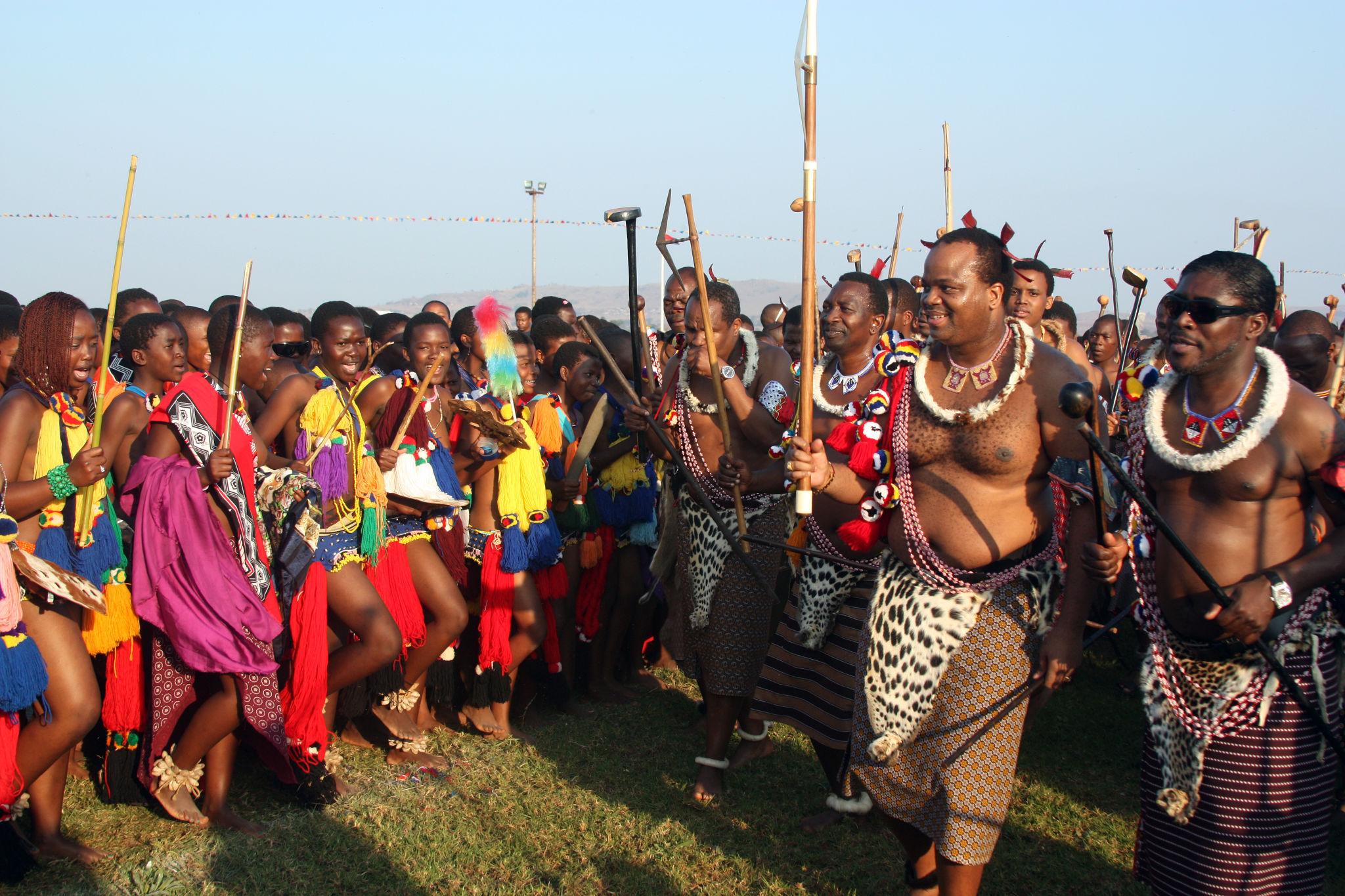
Ceremonies play a central role in Eswatini’s cultural life. Two of the most recognized national events are the Umhlanga and Incwala ceremonies.
The Umhlanga Reed Dance celebrates unity and cultural pride. Young women gather reeds and participate in traditional dance. Meanwhile, communities come together in celebration.
Another important event is Incwala Ceremony. This ceremony focuses on renewal and national identity. It includes ritual practices that are deeply meaningful to local communities.
Visitors may attend certain public parts of these ceremonies. However, some sections remain private. Respecting boundaries is essential.
If planning around these dates, check updated information through official channels: https://www.gov.sz
Attending ceremonies in Eswatini offers rare insight. Nevertheless, appropriate dress and behavior are important. Modest clothing is recommended. Listening carefully also shows respect.
Community-Based Tourism in Eswatini
Community tourism is growing in Eswatini. Instead of large commercial attractions, many tours are led by local guides. Because of this, income stays within communities.
Visitors may take part in craft workshops. Basket weaving is popular. Wood carving is also common. In addition, beadwork reflects detailed artistry.
Buying handmade products supports families directly. At the same time, travellers take home meaningful souvenirs.
Homestay experiences are available in some areas. During these stays, guests share meals and daily routines with host families. Cultural exchange becomes genuine and memorable.
Knap Tours often includes community visits in Eswatini itineraries. These experiences are designed with respect and partnership in mind.
Etiquette Tips for Visiting Eswatini
Understanding local customs makes travel smoother.
Firstly, greetings matter. Always greet elders before beginning conversation. Eye contact should be polite, not intense.
Secondly, dress modestly in rural areas. Shoulders and knees should be covered during ceremonies.
Thirdly, ask permission before photographing individuals. Although many people are welcoming, personal space must be respected.
Gift-giving is not expected. However, supporting local businesses is appreciated.
Additionally, punctuality may feel flexible in rural settings. Patience is helpful. Cultural pace often differs from city life.
By following these guidelines, visitors show appreciation for Eswatini’s social values.
Language and Communication in Eswatini
SiSwati and English are official languages in Eswatini. Therefore, communication is generally easy for international visitors.
English is widely used in tourism. However, learning a few siSwati phrases creates connection. Simple greetings open doors.
Storytelling remains important in cultural tours. Guides explain history through personal narratives. As a result, information feels alive rather than academic.
Questions are encouraged. Engaging respectfully enriches the experience.
Food Experiences in Eswatini
Food plays an important role in Eswatini’s cultural identity.
Traditional meals often include maize-based dishes such as sishwala. Stews made with vegetables or meat are common. Seasonal produce influences menus.
During cultural tours, visitors may watch cooking demonstrations. Sometimes, guests are invited to participate. Sharing meals builds connection.
Local markets also offer insight into daily life. Fresh produce, handmade goods, and street food create vibrant scenes.
Trying local dishes supports small vendors. Moreover, it deepens understanding of everyday life in Eswatini.
Combining Cultural and Nature Experiences in Eswatini
Although this blog focuses on culture, Eswatini also offers beautiful landscapes.
Mlilwane Wildlife Sanctuary allows visitors to combine wildlife viewing with cultural learning. Hiking trails pass through scenic hills. Cultural museums are nearby.
Because distances are short, combining activities is easy. A morning wildlife walk can be followed by an afternoon village visit.
This balance makes Eswatini attractive for travellers who want variety. Experiences feel rich without requiring long travel days.
Knap Tours often combines cultural tours in Eswatini with neighbouring South Africa safaris. As a result, itineraries remain diverse and engaging.
Responsible Travel in Eswatini
Responsible tourism matters everywhere. In Eswatini, it directly supports community livelihoods.
Choose locally owned accommodation where possible. Hire certified guides. Purchase crafts directly from artisans.
Avoid bargaining too aggressively. Fair pricing ensures sustainable income.
Respect sacred spaces and private ceremonies. If unsure, ask your guide for advice.
Furthermore, listen more than you speak. Cultural exchange works best when both sides feel heard.
By travelling responsibly, visitors contribute positively to Eswatini’s future.
Planning Your Cultural Tour in Eswatini
Travel to Eswatini is straightforward. Road crossings from South Africa are simple. Passports are required, and visa policies vary by nationality.
Most cultural tours last one to three days. However, longer stays allow deeper engagement.
Accommodation ranges from guesthouses to boutique lodges. Comfort levels vary, yet hospitality remains warm.
Working with an experienced operator simplifies planning. Knap Tours designs Eswatini cultural itineraries that include transport, guides, and accommodation. Because of this support, travellers can focus on learning and connection.
Advance booking is recommended during major ceremonies. Peak periods fill quickly.
Final Thoughts on Eswatini Cultural Tours
Eswatini offers more than scenic beauty. Cultural richness defines the country. Community values shape daily life. Ceremonies express national identity.
For visitors, cultural tours in Eswatini provide insight, connection, and meaningful exchange. Experiences feel authentic because they are rooted in living traditions.
Respect remains the foundation of good travel. Listening, learning, and supporting local communities create lasting impact.
When planned thoughtfully, a cultural journey through Eswatini becomes unforgettable. With guidance from trusted operators like Knap Tours, travellers experience the country in a way that is immersive, respectful, and inspiring.