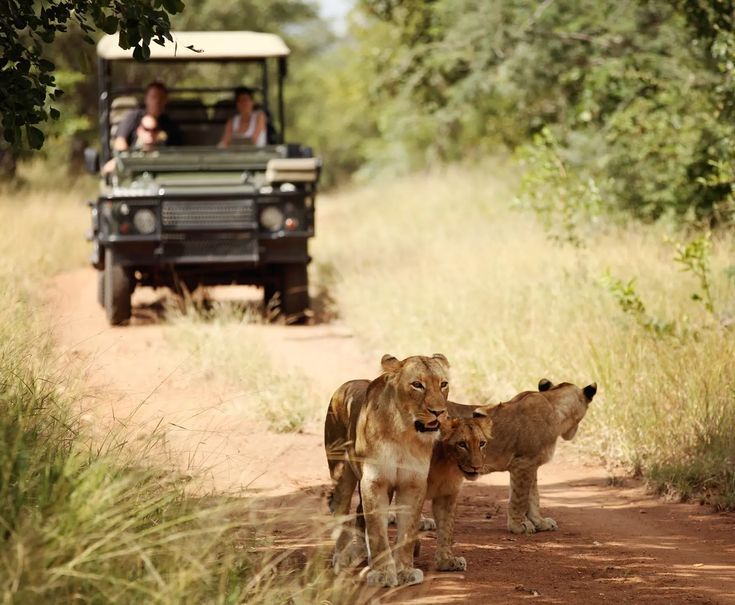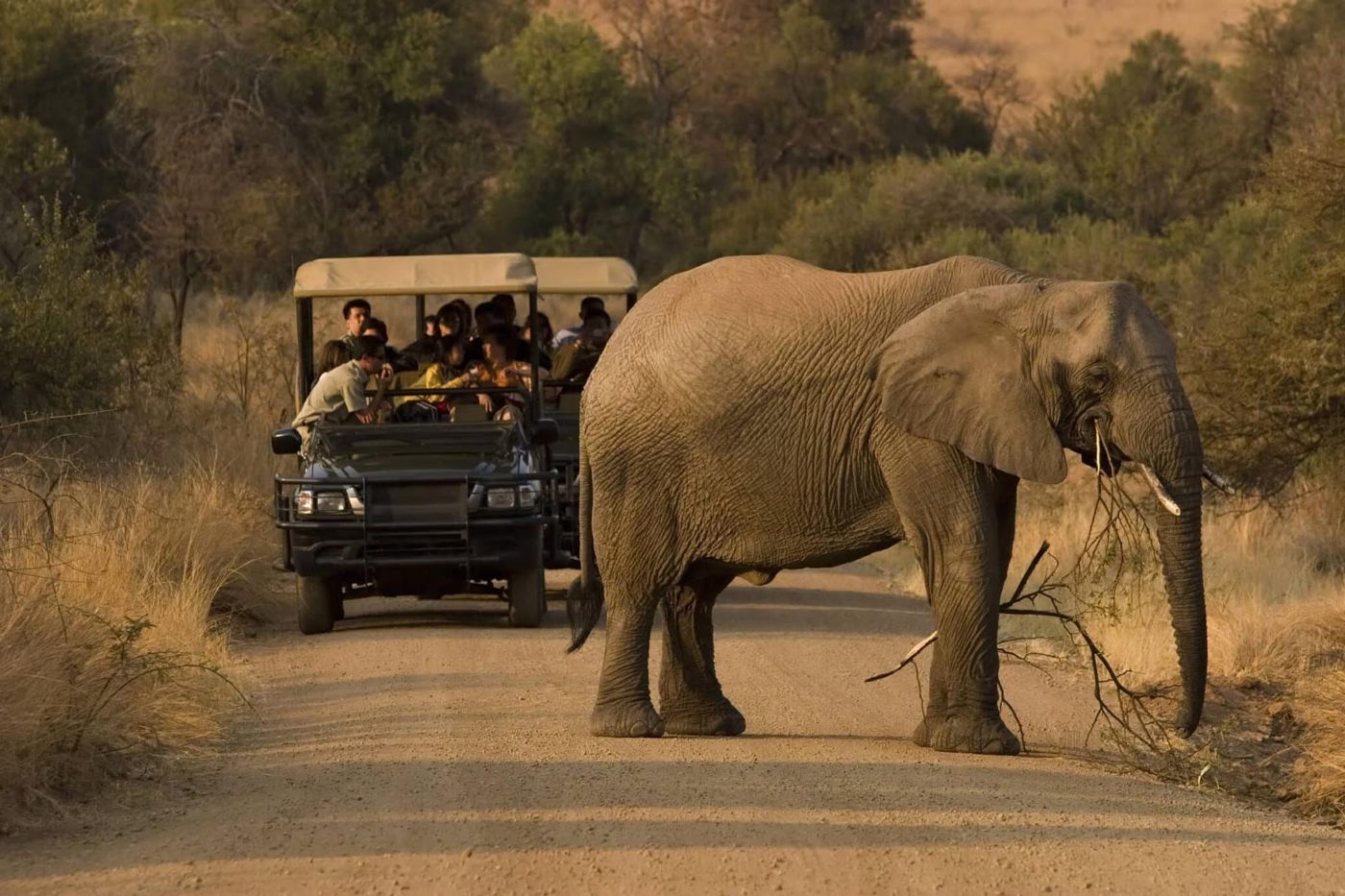
1. Decide on Your Safari Destination
The first step is selecting the country for your safari. Africa is vast, with each region offering unique experiences.- South Africa: Perfect for first-time travelers. It’s home to Kruger National Park, luxury lodges, and family-friendly activities.
- Botswana: Known for its pristine wilderness and water-based safaris in the Okavango Delta.
- Namibia: Famous for the towering dunes of Sossusvlei and the rugged Skeleton Coast.
2. Choose the Right Time to Visit
Timing is key when booking a safari. Africa’s seasons vary, affecting the wildlife and overall experience.- Dry Season (Winter): Wildlife congregates around waterholes, making it easier to spot animals. This is the most popular time for safaris.
- Wet Season (Summer): Lush landscapes and fewer tourists. While wildlife might be harder to see, birdwatching is exceptional during this time.
3. Determine Your Budget
Safaris can range from budget-friendly to ultra-luxurious. Deciding your budget early will help you filter through options.- Budget Safaris: These often include camping or basic accommodations. You’ll still have guided tours but with fewer frills.
- Mid-Range Safaris: Comfortable lodges or tented camps with more amenities. Perfect for a balanced experience.
- Luxury Safaris: High-end lodges, private game drives, and gourmet dining. Expect exceptional service and exclusivity.
4. Research Safari Packages and Tour Operators
Once you know where you want to go and how much you can spend, it’s time to find a safari package. Look for reputable tour operators with good reviews. For example, companies like Knap Tours specialize in crafting itineraries for travelers from North America. When comparing packages, pay attention to:- Inclusions (accommodation, meals, and activities)
- Group size (private vs. shared safaris)
- Transportation options (guided vehicles, walking safaris, or canoe safaris)
5. Book Your Flights
Flights are a significant part of your safari booking process. Most safaris start in major African cities like Johannesburg (South Africa) or Maun (Botswana). From there, you’ll connect to smaller airports near safari destinations.- Use flight comparison tools like Google Flights or Skyscanner to find the best deals.
- Consider booking flights that allow flexibility in case of itinerary changes.
- Plan for layovers if necessary. Flights to Africa often connect through Europe or the Middle East.
6. Prepare Your Travel Documents
Having the right documents is crucial for international travel. Ensure you have:- A valid passport (with at least six months before expiry).
- Visa requirements for the country you’re visiting. Many African countries allow e-visa applications.
- Vaccination certificates. Some countries require proof of yellow fever vaccination.
7. Pack Smart for Your Safari
Packing for a safari is different from your usual vacation. Focus on essentials and lightweight items.- Clothing: Neutral colors like khaki and beige are best for blending into the environment. Avoid bright colors.
- Shoes: Comfortable walking shoes or boots.
- Gear: Binoculars, cameras, and a hat for sun protection.
- Personal Items: Sunscreen, insect repellent, and any medications you need.
8. Understand Safari Etiquette
When on a safari, respecting wildlife and guides is essential. Here are some tips:- Stay quiet during game drives to avoid scaring animals.
- Follow your guide’s instructions at all times.
- Don’t feed or touch animals, even if they seem approachable.
9. Book Travel Insurance
Travel insurance is a must for safaris. It covers unexpected issues like medical emergencies, trip cancellations, or lost luggage. Look for a policy that includes:- Emergency evacuation
- Adventure activities
- Coverage for delays or cancellations