Is an African Safari Safe for Tourists? Everything You Need to Know Before You Travel
Is an African Safari Safe for Tourists When Traveling with a Professional Tour Operator?
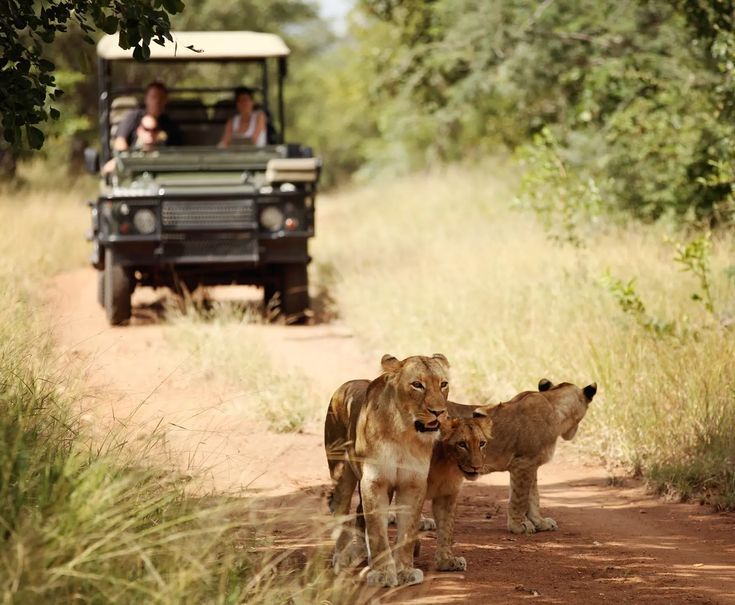
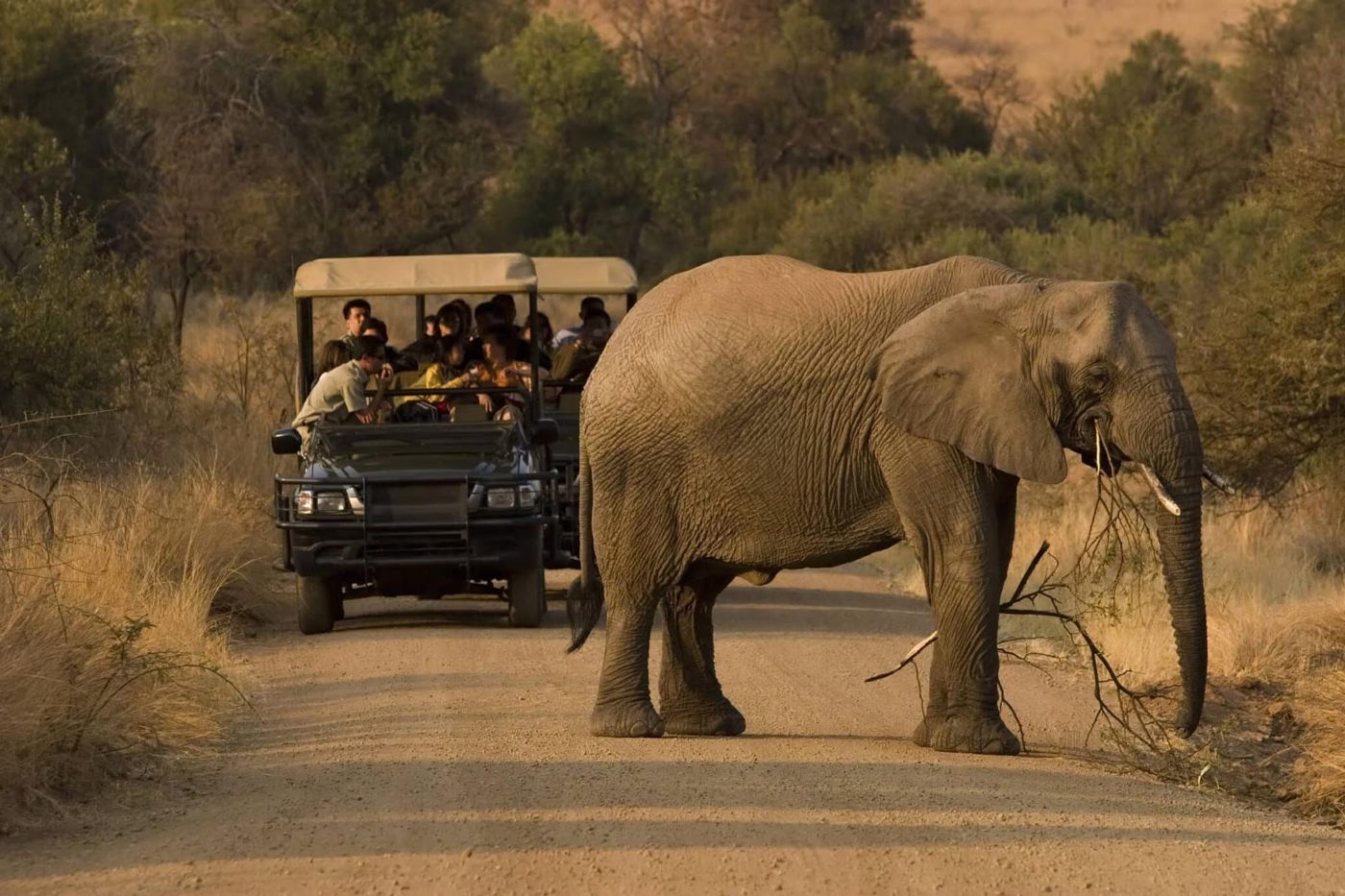
One of the biggest reasons safaris are safe is that experienced guides know exactly how to handle wildlife and changing conditions. At Knap Tours, every safari is carefully planned. Professional guides receive extensive training and understand animal behavior. They know where to drive, when to stop, and how to keep guests at a safe distance from wildlife. Additionally, safari vehicles are designed for wildlife viewing. Guests remain inside the vehicle during game drives unless the guide says it is safe to leave. As a result, you can enjoy close encounters with animals while staying protected.Why Guided Safaris Are Safer Than Self-Drive Trips
Many first-time visitors wonder whether they should drive themselves or join a guided safari. Although self-drive safaris are possible in some destinations, guided safaris offer several important safety benefits. These include:- Experienced local guides
- Reliable safari vehicles
- Knowledge of park regulations
- Emergency communication systems
- Safe wildlife viewing practices
- Local weather updates
- Help if mechanical problems occur
Wildlife Safety Tips Every Visitor Should Follow
A safari takes you into the natural home of wild animals. Therefore, respecting the environment is essential. Here are simple safety tips every traveler should remember.Stay Inside the Vehicle
This is the most important rule. Animals see safari vehicles as one object. However, a person walking outside the vehicle changes that picture and may attract unwanted attention. Always wait for your guide before getting out.Listen to Your Guide
Professional safari guides understand wildlife behavior. Even if an animal appears calm, your guide knows whether it is safe to stay or move away. Therefore, always follow instructions carefully.Keep Noise to a Minimum
Loud sounds may disturb wildlife. Instead, speak quietly and enjoy the peaceful surroundings. Not only does this improve safety, but it also creates better wildlife viewing opportunities.Never Feed Wild Animals
Feeding animals changes their natural behavior. It can also create dangerous situations for future visitors. Instead, admire wildlife from a respectful distance.Is an African Safari Safe for Tourists Staying in Safari Lodges?
Yes. Most safari lodges place guest safety at the heart of their operations. Luxury lodges, tented camps, and safari resorts have trained staff available throughout the day and night. Many properties include:- Secure accommodation
- Guided walks around camp after dark
- Emergency procedures
- First aid equipment
- Communication with nearby park authorities
- Clearly marked guest areas
Health and Medical Safety on Safari
Health is another common concern for travelers. Fortunately, most safari destinations have excellent tourism infrastructure. Before traveling, consider the following.Vaccinations
Some destinations recommend routine travel vaccinations. Depending on where you are going, your doctor may also recommend additional vaccines. It is always best to seek medical advice before your trip.Malaria Awareness
Some safari regions are malaria areas. However, many popular destinations have low seasonal risk or are malaria-free. Knap Tours helps guests understand whether malaria medication is recommended for their chosen safari destination. Additionally, wearing long sleeves during the evening and using insect repellent provides extra protection.Travel Insurance
Travel insurance offers peace of mind. It can cover medical emergencies, cancellations, delays, and lost luggage. Therefore, it is a smart investment for any international trip.Is an African Safari Safe for Tourists Traveling with Children?
Absolutely. Many safari destinations welcome families. In fact, children often enjoy safaris because they see wildlife up close while learning about nature. However, some lodges have minimum age requirements for game drives or walking safaris. Knap Tours helps families choose safari packages that match their children's ages. As a result, everyone enjoys a safe and memorable holiday.Are South African Safaris Safe?
South Africa is one of Africa's most popular safari destinations. National parks such as Kruger National Park, Pilanesberg National Park, Madikwe Game Reserve, Dinokeng Game Reserve, and private reserves receive visitors throughout the year. These parks have established tourism systems, experienced rangers, and clear safety rules. When guests follow park regulations and travel with trusted operators such as Knap Tours, safaris in South Africa are considered very safe.Safety in Botswana, Namibia, and Zimbabwe
Knap Tours also offers unforgettable safari experiences beyond South Africa.Botswana
Botswana is famous for Chobe National Park and the Okavango Delta. The country is known for well-managed tourism and outstanding wildlife experiences. Guided safaris make exploring these areas both exciting and safe. Book NowNamibia
Zimbabwe
How Knap Tours Keeps Guests Safe
Choosing the right safari company matters. Knap Tours focuses on guest comfort, safety, and unforgettable experiences from beginning to end. When you book with Knap Tours, you benefit from:- Professional and knowledgeable guides
- Carefully planned itineraries
- Comfortable transportation
- Trusted accommodation partners
- Reliable airport transfers
- Local destination expertise
- Friendly customer support before and during your trip
- Flexible safari packages across Southern Africa
Common Myths About African Safari Safety
There are many misconceptions about African safaris. Let's clear up a few of them.Myth: Animals often attack safari vehicles.
Fact: Wild animals usually ignore safari vehicles because they do not see them as a threat.Myth: Safaris are dangerous for first-time visitors.
Fact: Thousands of first-time travelers safely enjoy guided safaris every year.Myth: Safari camps are unsafe.
Fact: Reputable safari lodges have trained staff, established safety procedures, and guest briefings.Myth: You need previous safari experience.
Fact: Guided safaris are designed for beginners as well as experienced travelers.Tips for an Even Safer Safari Experience
Although safaris are generally safe, a few simple habits make your trip even better.- Pack sunscreen and a hat.
- Stay hydrated throughout the day.
- Wear comfortable neutral-colored clothing.
- Keep valuables secure.
- Follow your guide's instructions.
- Respect wildlife at all times.
- Carry any personal medication you need.
- Purchase comprehensive travel insurance.
- Keep emergency contact details available.
- Ask questions if you are unsure about anything.