
Published Wednesday, 7 October 2026
October is a month of contrasts in the Kruger region. The bush can still look dusty and winter-dry, yet the afternoons feel unmistakably summery. Elephants gather around remaining water, early starts reward patient wildlife watchers, and a thunderstorm can change the atmosphere overnight.
A Kruger safari in October suits travellers who want late-dry-season wildlife viewing and can plan around heat and changing weather. It also pairs well with the Panorama Route: spend time searching for wildlife in the Lowveld, then explore the escarpment’s viewpoints, waterfalls and dramatic landscapes. Here is how to prepare, including practical packing, travel logistics and malaria-prevention advice.
Kruger weather in October: hot, with rain possible
October sits between the dry winter and the wetter summer. Rainfall does not follow a fixed calendar: some years the first meaningful storms arrive during October, while in others the dry conditions persist. Do not assume that an October booking guarantees either cloudless days or a green landscape.
Plan your day around the heat
Afternoons can be very hot, particularly in the lower-lying areas. An open safari vehicle provides airflow while moving, but direct sun and hot air still take their toll. Drink water regularly, wear a hat and use sunscreen before you feel uncomfortable.
Early morning is usually the most comfortable time for a drive. After dark, temperatures often ease, although October evenings can remain warm. A lightweight fleece or windproof layer is still useful for a pre-dawn departure, especially when the vehicle is moving.
Pack for a storm, not constant rain
When the first rains arrive, they may come as localised afternoon or evening thunderstorms rather than all-day drizzle. Roads and landscapes can remain dry in one area while another receives a substantial shower. Bring a light waterproof jacket and protect cameras and phones from both dust and sudden rain.
The Panorama Route is higher than Kruger’s Lowveld and can feel cooler. Mist, low cloud and rain may obscure its famous views. When checking Kruger weather October forecasts, look separately at the park area and the escarpment towns, rather than treating them as one weather zone.
What wildlife viewing is like in October
Before sustained rain arrives, sparse vegetation often makes animals easier to see. Remaining rivers, pools and waterholes can concentrate wildlife, although conditions vary across this enormous park. Your guide’s knowledge of recent sightings, water availability and animal behaviour matters more than any promise about a particular location.
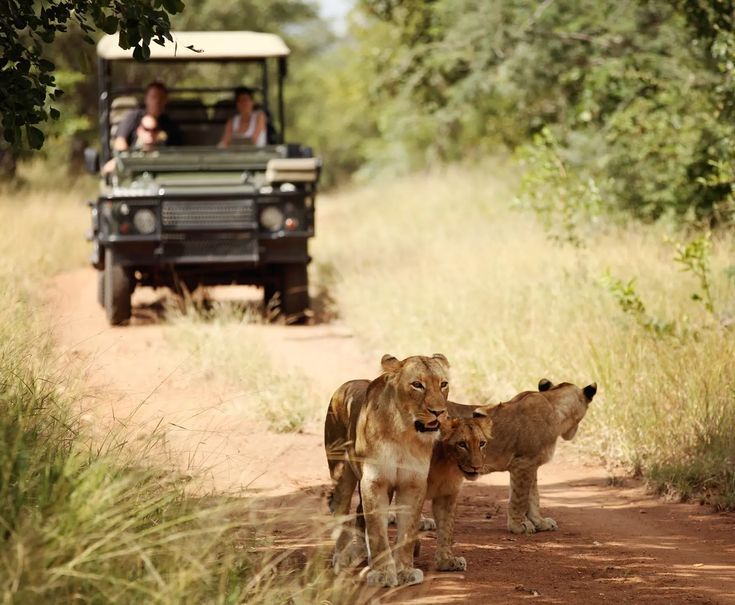
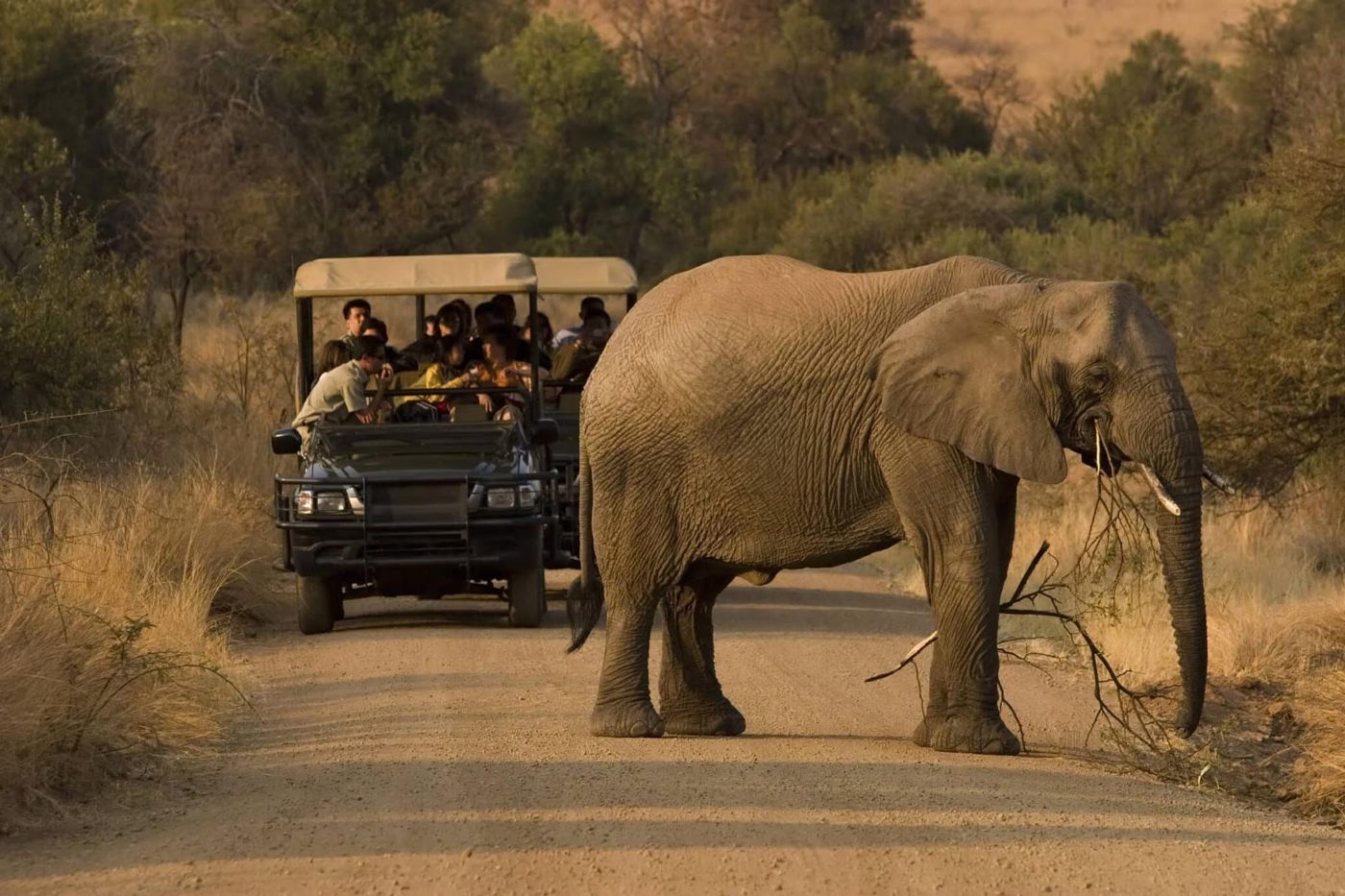
Expect opportunities to look for elephants, buffalo, giraffes, zebra and antelope, alongside Kruger’s predators. Lions and leopards are never guaranteed, and spotting a rhino requires luck as well as careful observation. A good safari is not simply a Big Five checklist: a browsing kudu, a hunting raptor or elephants interacting at water can become the highlight.
- Start early: cooler conditions can favour animal movement and make the drive more comfortable.
- Watch shade carefully: in the heat, predators and other mammals often rest beneath trees or in dense cover.
- Allow time at water: watching quietly can be more rewarding than constantly moving between sightings.
- Stay flexible after rain: as temporary water becomes available, animals may disperse and familiar viewing patterns can change.
Birding also becomes increasingly interesting as seasonal activity builds. Migrant arrivals vary, so enjoy what is present rather than expecting every summer visitor. Carry binoculars even if mammals are your main interest.
Is October the best time to visit Kruger?
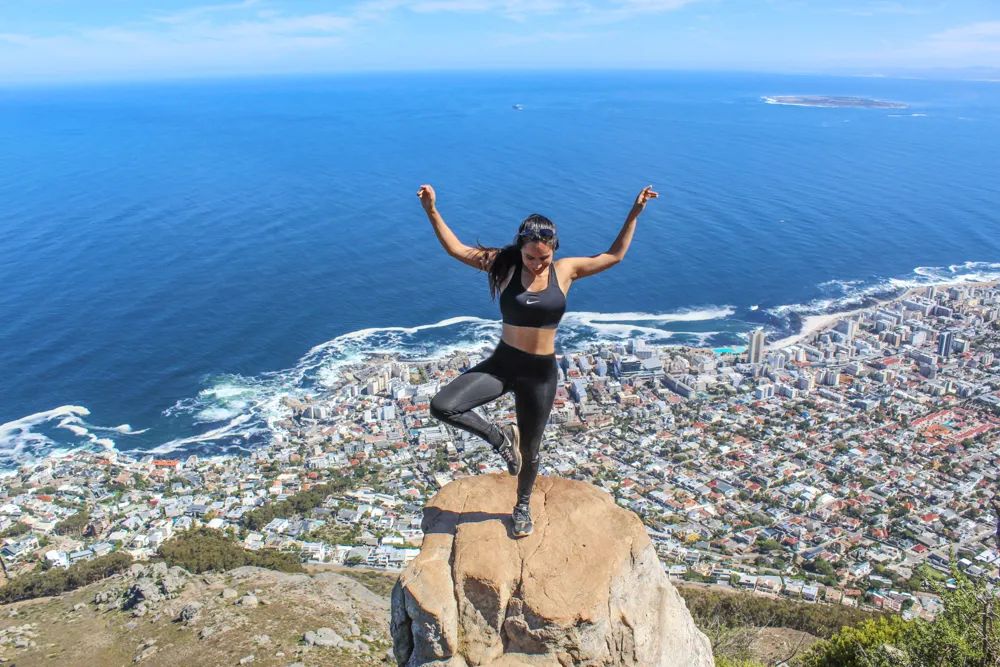
The best time to visit Kruger depends on what matters most to you. October offers a compelling combination of potentially excellent dry-season visibility and the possibility of the landscape beginning to refresh. The trade-off is heat, with less predictable weather than in midwinter.
If you prefer cooler daytime conditions, consider the winter months. If you enjoy greener scenery and summer birdlife, the wetter season has its own appeal, though thicker vegetation can make spotting animals harder. October is particularly attractive when you value wildlife viewing and are comfortable adapting your schedule to the conditions.
Combine Kruger and the Panorama Route in four days
Knap Tours’ 4-Day Wildlife Safari–Kruger & Panorama Route brings together two very different sides of northeastern South Africa. Game drives focus on the animals and habitats of the Lowveld; scenic sightseeing reveals the escarpment above it.
Panorama Route highlights include the Blyde River Canyon, the Three Rondavels, Bourke’s Luck Potholes and God’s Window. The exact stops depend on the booked itinerary, available time, weather and access conditions, so confirm which are included rather than assuming every attraction fits into the trip.
How to approach the four-day schedule
Think of the trip as a balance of transfer time, wildlife viewing and an escarpment sightseeing section. The outline below is a planning framework, not a confirmed day-by-day departure itinerary:
- Arrival and transfer: leave enough time to reach the safari area without relying on a tightly timed international connection.
- Wildlife viewing: prioritise the scheduled game drives and keep quieter periods available for rest, especially during hot afternoons.
- Scenic sightseeing: allow time for viewpoint walks, photography and the winding roads between Panorama Route attractions.
- Return travel: match onward flights to the confirmed drop-off location and time, with a sensible buffer.
The featured tour is advertised from US$1055.25 for four days. Check the current US$ pricing and tour details for your dates, and ask Knap Tours to confirm accommodation, transport, meals, entrance fees and game-drive inclusions before booking.
Travel logistics for international visitors
Johannesburg is a common gateway for Kruger trips. Depending on your arrangements, you may travel onward by road or use a regional airport such as Kruger Mpumalanga International Airport near Mbombela, Skukuza Airport or Hoedspruit Airport. The most convenient choice depends on where you stay and where your tour starts; these airports are not interchangeable.
A road transfer from Johannesburg takes a substantial part of the day. Ask for the exact pickup point and expected journey time before purchasing flights. After a long-haul arrival, an overnight stop can be more comfortable than immediately beginning another lengthy journey.
Confirm luggage limits for any regional flights and safari transfers. Travellers from all source markets should check current South African entry requirements for their passport, transit arrangements and any requirements applying to children. If adding another country, check its rules separately.
What to pack for Kruger safari in October
When deciding what to pack for Kruger safari, prioritise breathable clothing, sun protection and a small weatherproof layer rather than heavy outdoor gear.
- Light, loose clothing: comfortable shirts and trousers in muted colours work well for drives and sightseeing.
- Long sleeves and long trousers: useful for sun protection and reducing exposed skin around mosquitoes.
- A fleece and light rain jacket: for early drives, moving vehicles, storms and cooler escarpment stops.
- A secure hat, sunglasses and sunscreen: essential for exposed seats and viewpoints.
- Comfortable closed shoes: choose soles with grip for steps and potentially wet paths.
- Insect repellent: bring a product containing DEET or picaridin and follow its label instructions.
- Binoculars and camera protection: include spare batteries, memory cards and a dust- and rain-resistant bag.
- Daily essentials: a refillable water bottle, personal medicines, suitable plug adapter and power bank.
Malaria prevention: arrange advice before travelling
Kruger is a malaria-risk area. Risk varies with season and local conditions, but dry weather does not remove it. Arrange a travel-health consultation well before departure and discuss your exact route, medical history, pregnancy status where relevant, and whether prescription malaria-prevention medicine is recommended.
Medication does not replace bite prevention. Use repellent as directed, cover exposed skin from dusk to dawn, and use screened rooms, air-conditioning or mosquito nets where available. Follow the prescribed medication schedule before, during and after your visit; the timing depends on the medicine.
If you develop fever, chills, headache or flu-like symptoms during or after travel, seek prompt medical attention and explicitly mention visiting a malaria-risk area, even if you took preventive medication. For travellers specifically seeking a malaria-free safari alternative, ask about the 2-Day Madikwe Big Five Safari.
FAQs
Will rain spoil an October Kruger safari?
Not necessarily. Showers may be brief and localised, although severe weather can affect activities. Bring waterproof protection and allow flexibility, particularly for cloud-sensitive Panorama Route viewpoints.
Is four days enough for Kruger and the Panorama Route?
Four days can provide a rewarding introduction to both. Confirm how much time is allocated to transfers, game drives and sightseeing; add nights if you prefer a slower pace.
Do I need malaria tablets in October?
Ask a qualified travel-health professional for an individual recommendation. Do not decide based only on the month or a dry-weather forecast, and use mosquito-bite precautions regardless.
Ready to experience October’s wildlife and escarpment scenery? Knap Tours is a SATSA and ATA member, rated excellent by 110+ travellers on Google and SafariBookings. Enquire with Knap Tours to confirm current pricing, plan your arrival and book a Kruger and Panorama Route escape that suits your travel dates.