Namibia’s Big Five: Where Wilderness Meets Wonder
Namibia does not rush its revelations. Instead, it unveils them slowly, across salt pans that shimmer like silver mirrors and savannahs that stretch toward an endless horizon. For travelers dreaming of spotting Africa’s most iconic wildlife, the question often arises: where exactly can you find Namibia’s Big Five?
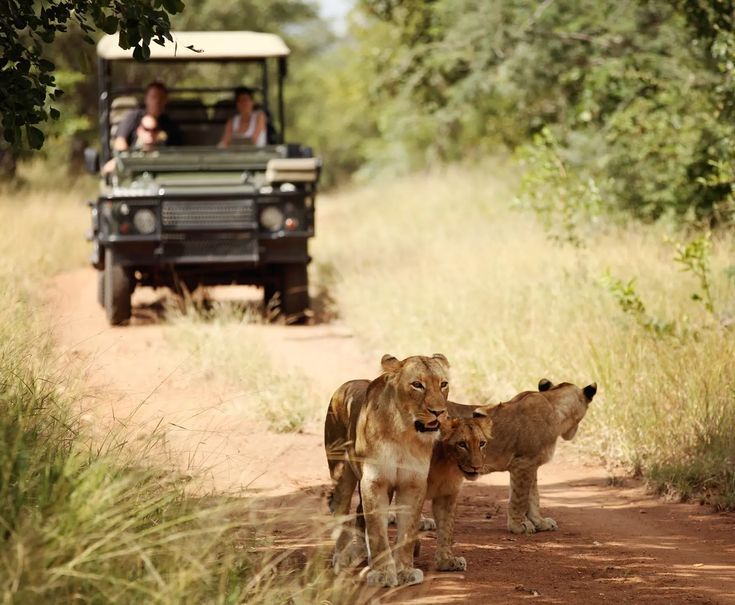
The answer lies primarily in the country’s protected northern regions, where conservation success and wide open landscapes combine to create exceptional safari experiences. Although Namibia is more often associated with desert dunes and dramatic coastlines, it also offers powerful encounters with lion, leopard, elephant, rhino, and buffalo in carefully preserved ecosystems.
Etosha National Park: The Heart of Big Five Country
To begin with, Etosha National Park stands as Namibia’s premier wildlife destination. Centered around the vast Etosha Pan, this protected area draws animals to its waterholes, particularly during the dry season from May to October. As vegetation thins and natural water sources shrink, wildlife gathers in remarkable numbers, creating ideal viewing conditions.
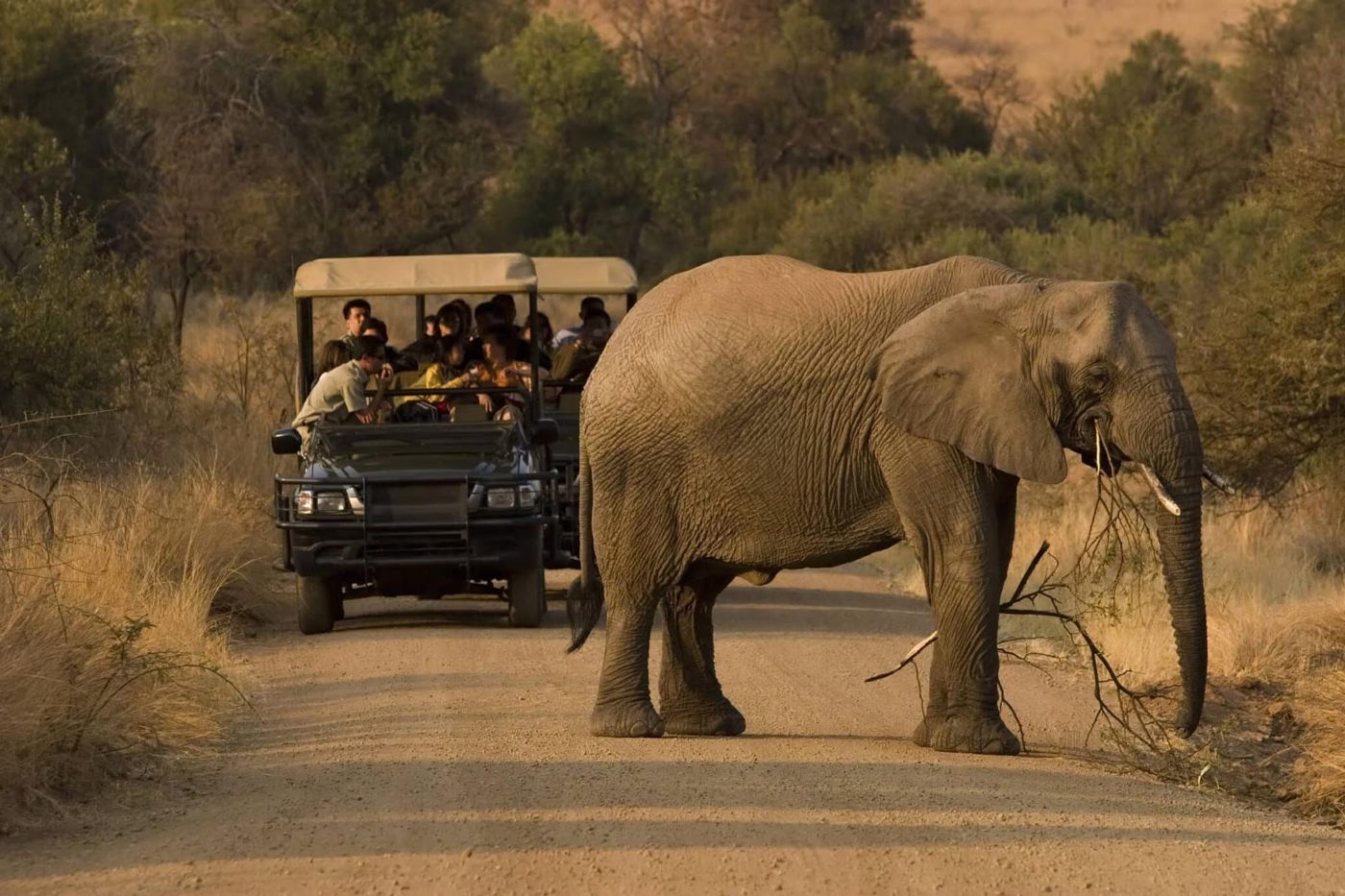
According to official information from Namibia Wildlife Resorts, the network of camps within Etosha allows visitors to stay inside the park and access key wildlife areas at sunrise and sunset. This proximity significantly increases the chances of encountering elephants and lions near waterholes, while both black and white rhinos are regularly sighted in the region.
Leopards, however, remain more elusive. These solitary cats prefer thicker vegetation and often move under cover of dusk or dawn. Nevertheless, patient game drives and experienced guides dramatically improve your odds.
Buffalo are less common in Namibia than in some neighboring countries, yet small populations can still be found in select northern areas of Etosha, particularly near the Namutoni region. Consequently, Etosha remains the most reliable location to pursue all five species within one itinerary.
Damaraland: Desert Adapted Giants
While Etosha anchors most Big Five itineraries, Damaraland introduces a different kind of magic. This rugged region is famous for its desert adapted elephants and black rhinos, which have evolved to survive in arid conditions. Tracking rhino on foot with experienced guides becomes an intimate and unforgettable experience, blending conservation awareness with quiet adrenaline.
Information from conservation organizations such as the World Wildlife Fund highlights Namibia’s innovative community based conservation model, which has contributed to the recovery of both rhino and elephant populations. As a result, Namibia is often celebrated as one of Africa’s conservation success stories.
However, it is important to note that Damaraland is not traditional Big Five territory. Lions are occasionally present, and leopards roam certain rocky areas, yet buffalo are absent. Therefore, this region works best as a complementary addition to Etosha rather than a standalone Big Five destination.
Zambezi Region: Namibia’s Lush Surprise
In contrast to Namibia’s arid landscapes, the Zambezi Region in the northeast feels unexpectedly lush. Rivers such as the Chobe and Zambezi nourish dense vegetation and support larger buffalo herds. Because of this abundance of water, elephants move through the area in impressive numbers.
Moreover, predators follow prey. Lions are present, and leopards navigate riverine forests with stealth. For travelers prioritizing buffalo sightings alongside elephants and lions, this region significantly increases success rates. Official tourism resources from the Namibia Tourism Board provide insight into the protected parks within this region, including Bwabwata and Mudumu National Parks.
Although rhino are less common here than in Etosha or Damaraland, combining regions within one itinerary allows visitors to maximize overall Big Five potential.
Best Time to See Namibia’s Big Five
Timing, as always in safari travel, makes a profound difference. During the dry winter months, wildlife congregates around predictable water sources, which enhances visibility and shortens search times. Consequently, May through October is widely considered the prime window for Big Five viewing in Etosha.
On the other hand, the green season between November and April transforms landscapes into lush backdrops ideal for photography. While animals may disperse more widely due to abundant water, the scenery becomes vibrant and dramatic. Travelers who value atmosphere as much as sightings often appreciate this quieter period.
Crafting the Perfect Big Five Journey
Ultimately, Namibia’s Big Five experience depends on thoughtful planning. Etosha should form the core of any itinerary focused on checking off all five species. From there, adding Damaraland deepens the encounter with desert adapted elephants and rhino. Finally, incorporating the Zambezi Region strengthens buffalo and river based wildlife opportunities.
When designed carefully by Knap Tours, a Namibian safari balances scale and intimacy. Wide horizons meet close wildlife encounters. Desert silence contrasts with the rumble of elephants at a waterhole. Through strategic routing and lodge selection, Knap Tours ensures that travelers move seamlessly between regions while maximizing their chances of encountering each iconic species. In this way, Knap Tours transforms Namibia’s Big Five from a checklist into a layered and immersive journey.
Namibia rewards patience. It rewards curiosity. Above all, it rewards those who look closely. In this vast and elemental country, spotting the Big Five feels less like ticking a box and more like stepping into a living landscape where survival, beauty, and resilience coexist under enormous skies.