The Okavango Delta vs. Kruger: Which Safari to Choose?
When planning a safari in Southern Africa, two destinations often top the list: the Okavango Delta in Botswana and Kruger National Park in South Africa. Both offer incredible wildlife experiences. However, each has a distinct atmosphere, wildlife style, and travel experience. Choosing the right safari depends on your preferences, travel style, and what you want to experience in the wild.
Understanding the Okavango Delta
The Okavango Delta is a unique ecosystem. It is one of the few inland deltas in the world. Water spreads across a vast area, creating channels, lagoons, and islands. This wetland is home to diverse animals, from elephants and lions to hippos and rare birds.
Safari experiences here are very different from traditional game drives. Mokoro (dugout canoe) trips are popular. They let you glide silently through the water, giving a peaceful and intimate wildlife encounter. Walking safaris are also common. Guides share detailed insights about animal behavior, plants, and the ecosystem.
Luxury lodges and tented camps are spread across the delta. This offers a private and immersive experience. Travelers often enjoy smaller groups, meaning less crowded safaris. The Delta also shines during the dry season when animals gather around water channels, creating excellent photographic moments.
Exploring Kruger National Park
Kruger National Park is one of Africa’s most famous safari destinations. It spans over 19,000 square kilometers. This makes it much larger than the Okavango Delta. Roads and infrastructure in Kruger allow for self-drive safaris. This is perfect for travelers who want flexibility.
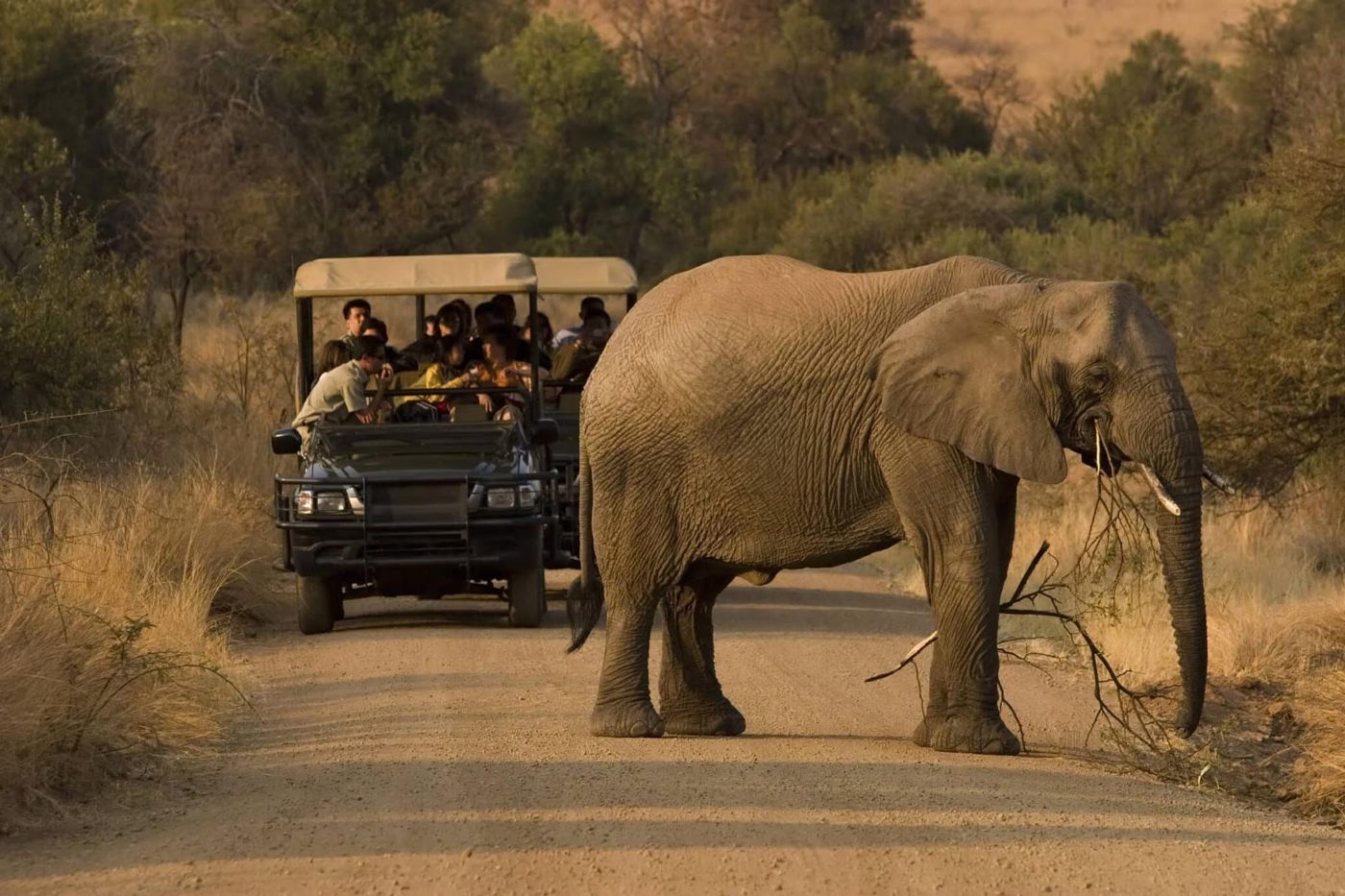
Game drives in Kruger offer a chance to see the “Big Five”: lions, elephants, rhinos, leopards, and buffalo. The park also hosts hundreds of other mammal species. Birdwatchers will find a rich variety of species, making it a paradise for enthusiasts.
Kruger has a range of accommodation options. From campsites to luxury lodges, there’s something for every budget. Visitors can also join guided tours or self-drive safaris. This accessibility makes Kruger ideal for first-time safari-goers or families.
Wildlife Encounters: Okavango Delta vs Kruger
Both destinations promise incredible wildlife. Yet, the experience is different. In the Okavango Delta, animals are often seen near water channels. Hippos, crocodiles, and elephants are common sights. Predators like lions and leopards are present but harder to spot due to dense vegetation and the watery landscape.
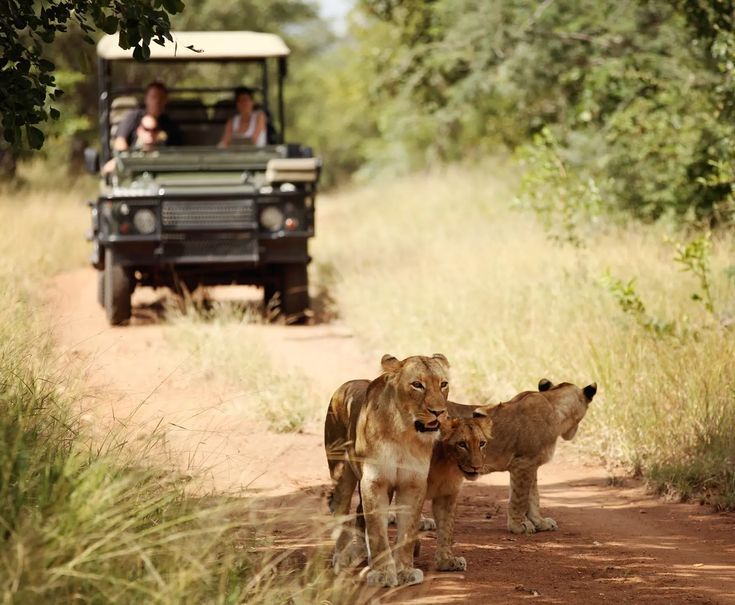
Kruger offers more open savannah and grasslands. This makes spotting animals easier. Safari-goers can see herds of elephants or prides of lions in a single day. The park is also home to cheetahs, wild dogs, and numerous antelope species.
Choosing between the Okavango Delta vs Kruger depends on what matters more: peaceful, close-up wildlife encounters or classic safari drives with high visibility.
Safari Activities and Experiences
The Okavango Delta emphasizes intimate experiences. Canoe trips, guided walks, and night safaris are popular. These activities allow travelers to connect with nature quietly. Guests also enjoy birdwatching and photography opportunities. Many lodges offer cultural visits, where travelers meet local communities and learn about traditions and conservation efforts.
Kruger focuses on traditional game drives. Morning and evening drives are the best times to see active wildlife. Guided walking safaris are also available but less common. Kruger offers additional activities such as bush dinners, safari camps with storytelling, and night drives. Visitors can explore the park at their own pace with self-drive options.
Best Time to Visit
Timing is crucial for wildlife viewing. In the Okavango Delta, the dry season from May to October is ideal. Water channels remain, but animals concentrate in smaller areas. This increases the chances of spotting wildlife. However, traveling in the wet season offers lush landscapes and unique birdwatching experiences.
In Kruger, the dry winter months from May to September are perfect for safaris. Vegetation thins, and animals gather around waterholes. Summer months (November to March) bring rain, making roads muddy but attracting migratory birds and newborn animals.
Accommodation Styles
Both locations offer unique accommodations. In the Okavango Delta, lodges and camps blend into nature. Many are tented, offering luxury with minimal environmental impact. Guests often feel like they are part of the wild surroundings.
Kruger National Park provides a wider variety of options. Rest camps with self-catering facilities suit budget travelers. Luxury lodges within and around the park cater to travelers seeking comfort. This flexibility makes Kruger accessible to more people.
Accessibility and Travel Logistics
The Okavango Delta is more remote. Travelers often fly from Maun or Kasane into private airstrips near lodges. Transfers may include small charter flights or 4x4 drives. This remoteness adds to the adventure but requires planning.
Kruger National Park is easier to access. Several airports nearby connect to major South African cities. Self-drive options allow travelers to explore at their own pace. Road networks and signage make navigation simple, even for first-time visitors.
Conservation and Community Involvement
Both destinations emphasize conservation and responsible tourism. The Okavango Delta is home to private reserves and conservation projects. Many lodges support local communities and sustainable tourism initiatives. Visitors often contribute to wildlife protection through their stay.
Kruger has strong conservation programs as well. Anti-poaching efforts are ongoing, and community engagement projects provide education and jobs. Choosing either safari supports wildlife protection and local communities, making your experience meaningful.
Which Safari Fits You?
If you want a tranquil, immersive experience with intimate wildlife encounters, the Okavango Delta is perfect. It suits travelers who enjoy smaller groups, water-based safaris, and luxury lodges.
If you prefer classic safari drives with easy access and a wide variety of animals, Kruger is ideal. Families, first-time safari-goers, and travelers on a budget may find Kruger more convenient.
Sometimes, combining both destinations is possible. This allows travelers to experience the best of water-based safaris and open savannah wildlife. Knap Tours offers expertly planned itineraries to both destinations. They ensure smooth transfers, guided experiences, and comfortable stays.
Making the Decision
When deciding between the Okavango Delta vs Kruger, consider:
-
Travel style: Do you prefer remote luxury or accessible adventure?
-
Wildlife focus: Are you more interested in water-based wildlife or classic Big Five viewing?
-
Budget: Kruger offers more flexibility, while the Okavango is often premium.
-
Activities: Do you enjoy guided walks, canoe trips, or self-drive safaris?
Knap Tours can help tailor a safari that matches your preferences. Whether you want a private delta experience or a classic Kruger adventure, they provide expert guidance and seamless planning.
Final Thoughts
Both the Okavango Delta and Kruger National Park offer unforgettable safari experiences. While each has unique advantages, your choice depends on the type of adventure you seek. The Okavango Delta provides intimate, water-based safaris, while Kruger delivers iconic game drives with diverse wildlife.
No matter your choice, a safari in either location promises breathtaking landscapes, memorable wildlife encounters, and cultural experiences. With careful planning and guidance from experienced tour operators like Knap Tours, your safari will be safe, exciting, and truly unforgettable.