Peak vs Low Season Safari: What’s the Difference?
What Is Peak Season on Safari?
Peak safari season is generally the time of year when demand for wildlife travel is highest. In many Southern African destinations, the dry winter months are especially popular because wildlife is often easier to spot. In South Africa, Botswana, Namibia, and Zimbabwe, the dry season can offer excellent wildlife viewing. Vegetation becomes thinner, and animals often gather around reliable water sources. As a result, travellers may have better chances of seeing elephants, lions, buffalo, giraffes, rhinos, and other wildlife. However, peak season also comes with higher demand. Accommodation can book up quickly. Popular lodges may have limited availability. Prices can also be higher, especially around major holiday periods. This is why booking early is important if you want to travel during a popular safari period.What Is Low Season on Safari?
Low season is the quieter travel period. It usually falls outside the busiest months and can be linked to wetter weather or warmer temperatures. However, low season does not mean that wildlife disappears. In fact, a low-season safari can be an amazing experience. Rain can transform the landscape. Grass becomes greener, trees grow new leaves, and many animals give birth during periods when food is more plentiful. Birdlife can also be excellent during the wetter months. In addition, there are often fewer vehicles and travellers in some safari areas. This can create a quieter and more relaxed experience. For travellers who want better value and do not mind changing weather, low season can be a smart choice.Peak vs Low Season Safari: Wildlife Viewing
Peak vs Low Season Safari: Weather Differences
Weather is another major factor when comparing a Peak vs Low Season Safari. Peak season in many Southern African destinations often falls during the cooler and drier months. Mornings can be cold, especially on early game drives. However, daytime temperatures are often pleasant. You should pack warm layers for sunrise and evening drives. Low season is often warmer. Depending on the destination, rain showers may occur in the afternoon or evening. The good news is that rain does not usually mean that your entire safari will be wet. Many showers are short and followed by sunshine. Furthermore, dramatic clouds and changing light can create excellent photography conditions.Peak vs Low Season Safari: Which Is More Affordable?
Price is one of the biggest reasons travellers consider a low-season safari. During popular travel periods, demand for accommodation and safari activities can be high. Therefore, prices may increase. Low season can sometimes offer better rates. This may allow travellers to choose a longer safari, upgrade their accommodation, or add another destination to their trip. For example, instead of spending the entire budget on a short peak-season safari, you may be able to enjoy a longer journey during a quieter period. Knap Tours offers safari experiences across Southern Africa, including Kruger National Park, Botswana, Namibia, Victoria Falls, Pilanesberg, Sabi Sands, and other destinations. This gives travellers flexibility when planning around their budget.Peak vs Low Season Safari: What About Crowds?
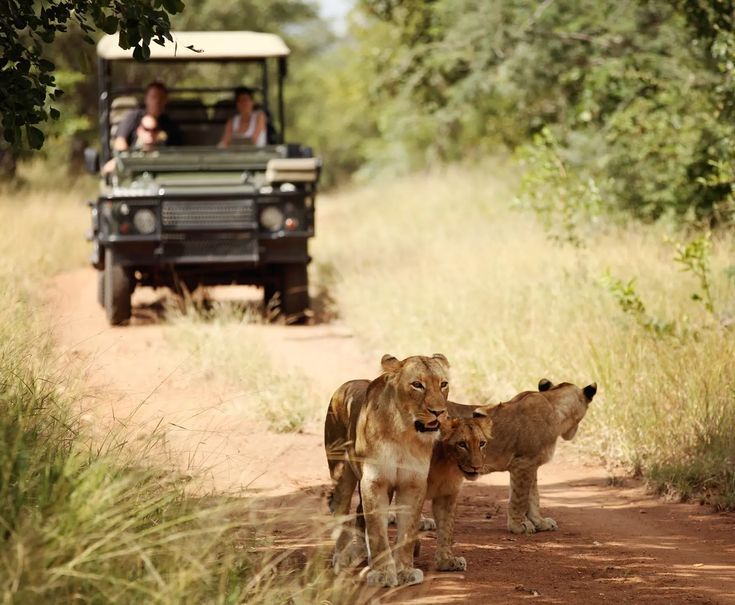
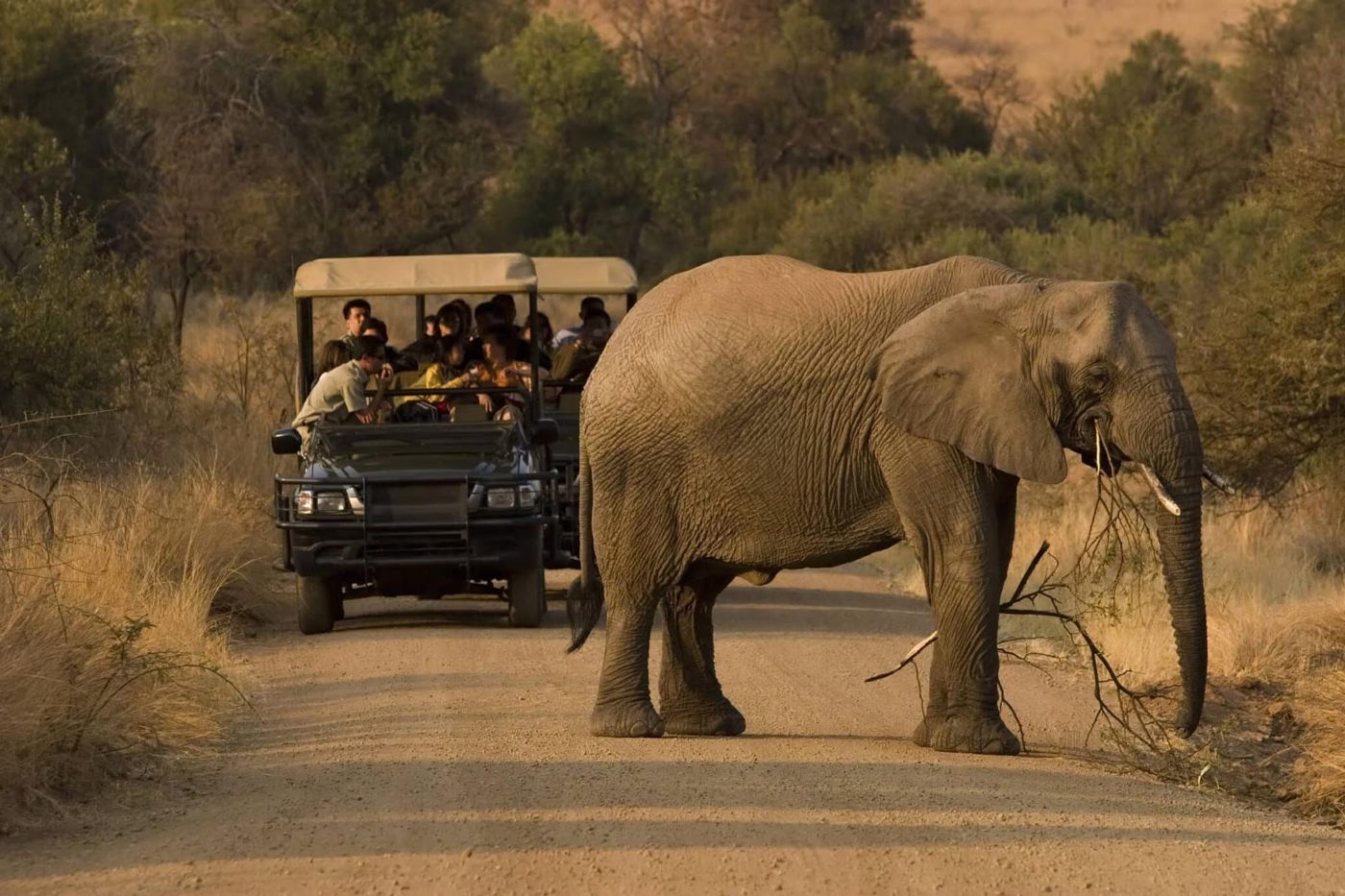
Crowds can affect the safari experience. During peak season, popular wildlife sightings may attract several safari vehicles. This is particularly possible when a famous predator or another sought-after animal is spotted. For some travellers, this is not a problem. However, others prefer a quieter experience. Low season can sometimes provide a more peaceful atmosphere. There may be fewer visitors at lodges, viewpoints, and other attractions. Therefore, if privacy and a slower pace are important to you, travelling outside the busiest months may be worth considering.Is Peak Season Better for a First Safari?
For a first-time safari, peak season can be an excellent choice. The dry conditions often make wildlife easier to find. This can be helpful for travellers who have a limited number of days. If your main goal is to see the Big Five, the dry season can provide excellent opportunities. For example, Knap Tours offers several Kruger safari packages that include guided game drives and opportunities to explore the Greater Kruger region. The 4-Day Signature Kruger & Panorama Wildlife Adventure is one option for travellers who want to combine wildlife with the scenic beauty of the Panorama Route. There are also longer options for travellers who want more time in the bush. The 5-Day Big Five Kruger & Scenic Panorama Adventure combines wildlife viewing with some of the region's most impressive scenery. For travellers looking for a more comfortable experience, Knap Tours also offers a 6-Day Kruger Luxury Big Five Safari Escape.Is Low Season Good for Families?
A low-season safari can be a good option for families, depending on the children's ages and travel dates. Quieter parks and lodges may create a more relaxed atmosphere. In addition, lower travel costs can help families manage their holiday budget. However, families should always consider the weather and the specific destination before booking. Some younger travellers may find long, hot game drives less comfortable. Therefore, choosing the right itinerary is important. Knap Tours can help families select safari packages that suit their available time, budget, and interests.Peak vs Low Season Safari in Botswana
Peak vs Low Season Safari in Namibia
Namibia is another destination where the time of year can change the safari experience. The country's landscapes are very different from those found in South Africa and Botswana. Etosha National Park is especially popular for wildlife viewing around waterholes. During the dry season, water becomes scarce. Therefore, wildlife can gather around remaining water sources. This can create excellent viewing opportunities. Knap Tours offers Namibia adventures that combine wildlife with some of the country's most famous landscapes. The 7-Day Ultimate Namibia Adventure: Dunes, Coast & Safari is a great example for travellers who want to experience more than just wildlife. For a longer journey, Knap Tours also offers a 10-Day Namibia Explorer: Dunes, Wildlife & Cultural Highlights. There are also extended Namibia itineraries for travellers who want more time to explore.Peak vs Low Season Safari in Kruger
Kruger National Park is one of Southern Africa's most popular safari destinations. It is also a destination where both peak and low seasons have something special to offer. During the dry season, vegetation is often thinner and animals can be easier to find around water sources. During the wetter months, the bush becomes greener. Birdwatching can also be rewarding, and the landscape can look completely different. Knap Tours offers a wide selection of Kruger experiences. These range from shorter safari adventures to multi-day trips combining Kruger with other Southern African destinations. For example, travellers can choose a 3-Day Kruger Park & Scenic Panorama Route Safari for a shorter adventure. Alternatively, a longer safari can provide more time for game drives and relaxation.Peak vs Low Season Safari: Photography
Photography is another reason to think carefully about the season. Peak season can provide clear skies, golden grass, and excellent visibility. Animals may also be easier to photograph when they gather around waterholes. On the other hand, low season can provide lush green scenery and dramatic skies. Young animals may also be present, creating wonderful photography opportunities. Therefore, photographers should not automatically assume that peak season is better. The best season depends on the type of photographs you want to capture.Which Safari Season Is Best for You?
There is no single answer. The best choice depends on your priorities. Choose peak season if you:- Want excellent dry-season wildlife viewing
- Prefer cooler daytime temperatures
- Want a classic safari experience
- Are happy to plan ahead
- Do not mind higher demand
- Want a strong chance of finding animals around water sources
- Want to save where possible
- Prefer fewer visitors
- Enjoy green landscapes
- Like dramatic weather and photography
- Are flexible with travel dates
- Want a quieter safari atmosphere