
1. Why It Matters
Tracking rhinos in the wild isn’t just thrilling—it’s an essential conservation tool. Rhinos are facing significant threats due to poaching and habitat loss, which has resulted in a sharp decline in their populations. Tracking them allows conservationists to monitor their movements, health, and safety in their natural habitats. Engaging in this activity means that you’re actively supporting efforts to protect rhinos. In many regions, rhino tracking tours directly fund anti-poaching programs, wildlife monitoring, and local community initiatives. This is a chance to make a real impact while enjoying the thrill of seeing these incredible creatures in the wild.2. Tracking Rhinos in Namibia: Desert Adventures
3. Tracking Rhinos in South Africa: Rich Wildlife and Conservation
South Africa is another top destination for tracking rhinos, and the country’s wildlife reserves offer abundant opportunities. Kruger National Park is one of the largest game reserves in Africa, with a robust population of both black and white rhinos. Tracking in this park is a thrilling experience due to its diverse ecosystems and incredible wildlife. In addition to Kruger, private game reserves like Sabi Sand and Madikwe also offer rhino tracking. These smaller, exclusive reserves provide intimate wildlife experiences, often with expert guides who know the animals’ habits and movements intimately. In these reserves, tracking is typically done on foot, with the help of experienced guides who will point out signs of rhinos in the area. Not only will you be able to track these magnificent creatures, but you will also see other wildlife like lions, elephants, and buffalo in their natural habitats. These safaris offer a once-in-a-lifetime chance to witness the African bush at its most spectacular.4. The Tracking Experience: What to Expect
When you join a tracking tour, you’ll be walking through dense bush, across rocky terrain, or in the wide, open desert. Here's what you can expect on a typical rhino tracking adventure: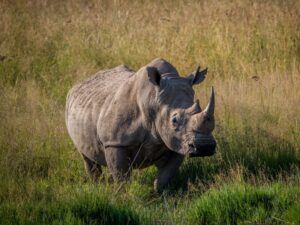 Knowledgeable Guides
Guides are an essential part of the rhino tracking experience. They are experts in tracking and wildlife conservation and will share their vast knowledge with you. Their role is to keep you safe while providing insight into rhino behavior, ecological significance, and conservation challenges.
Tracking on Foot
Most rhino tracking experiences are done on foot. This offers a more immersive experience, allowing you to connect with the environment and understand the landscape from the rhino’s perspective. Walking through the bush or desert, following tracks, signs, and sounds, brings an exciting sense of anticipation.Educational Insights
Tracking rhinos is not just about finding them—it’s also about understanding them. During your tour, guides will teach you about the rhino’s role in the ecosystem, how they interact with other species, and the conservation efforts being undertaken to protect them.The Thrill of the Chase
The excitement builds as you follow fresh tracks through the wild, knowing that you are getting closer to one of these incredible animals. The thrill of spotting a rhino, especially in a remote location, is unmatched. Your heart races as you witness the size and power of the animal up close.Respectful Observation
Once the rhino is located, you will observe it from a safe distance. Tracking tours emphasize the importance of minimal disruption to the animals. Watching the rhino from a respectful distance is crucial for both your safety and the animal’s well-being.5. Conservation and Tracking
Rhino tracking plays a significant role in wildlife conservation. In regions like Namibia and South Africa, tracking allows conservationists to monitor rhino populations, assess their health, and prevent poaching. The data collected through tracking is vital in creating effective conservation strategies. In South Africa, rhinos are at risk from illegal poaching, particularly for their horns. By tracking rhinos, wildlife authorities can respond quickly to protect them. Namibia also faces similar challenges but has made significant strides in conserving its desert-adapted rhinos through careful monitoring and management. Tracking rhinos also helps educate the public about the importance of wildlife preservation. As more people become aware of the rhino’s plight, efforts to protect them grow stronger. Rhino tracking tours directly support these conservation initiatives, making your adventure a meaningful contribution to their survival.6. Top Locations for Rhino Tracking
If you’re interested in tracking rhinos, here are some of the best places in Namibia and South Africa:- Damaraland: The desert-adapted rhinos in Damaraland provide an unforgettable tracking experience in a harsh, beautiful environment.
- Etosha National Park: A popular spot for both black and white rhinos, Etosha offers a unique combination of salt pans and wildlife-rich areas.
South Africa
- Kruger National Park: A vast, diverse park with large rhino populations, Kruger is perfect for those looking to track rhinos and other iconic African species.
- Sabi Sand Game Reserve: A private reserve adjacent to Kruger, Sabi Sand offers exclusive tracking experiences with a focus on rhino conservation.
- Madikwe Game Reserve: A top private reserve in North West Province, Madikwe provides an intimate safari experience with the chance to track rhinos.
7. What to Bring on a Tracking Tour
To ensure a successful rhino tracking adventure, it’s important to be prepared. Here’s a quick checklist of what to bring:- Sturdy shoes: Comfortable footwear is essential for long walks over uneven terrain.
- Sunscreen and a hat: Protection from the sun is crucial, especially in hotter climates.
- Camera: Capture the wildlife moments but be respectful of the animals.
- Water: Stay hydrated, especially in hot environments.
- Binoculars: Spotting rhinos from a distance is easier with binoculars.