What is a Walking Safari?
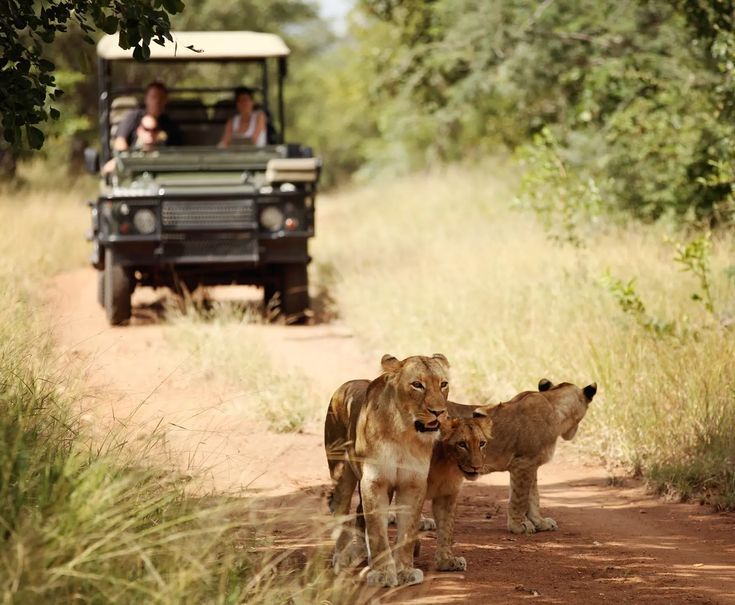
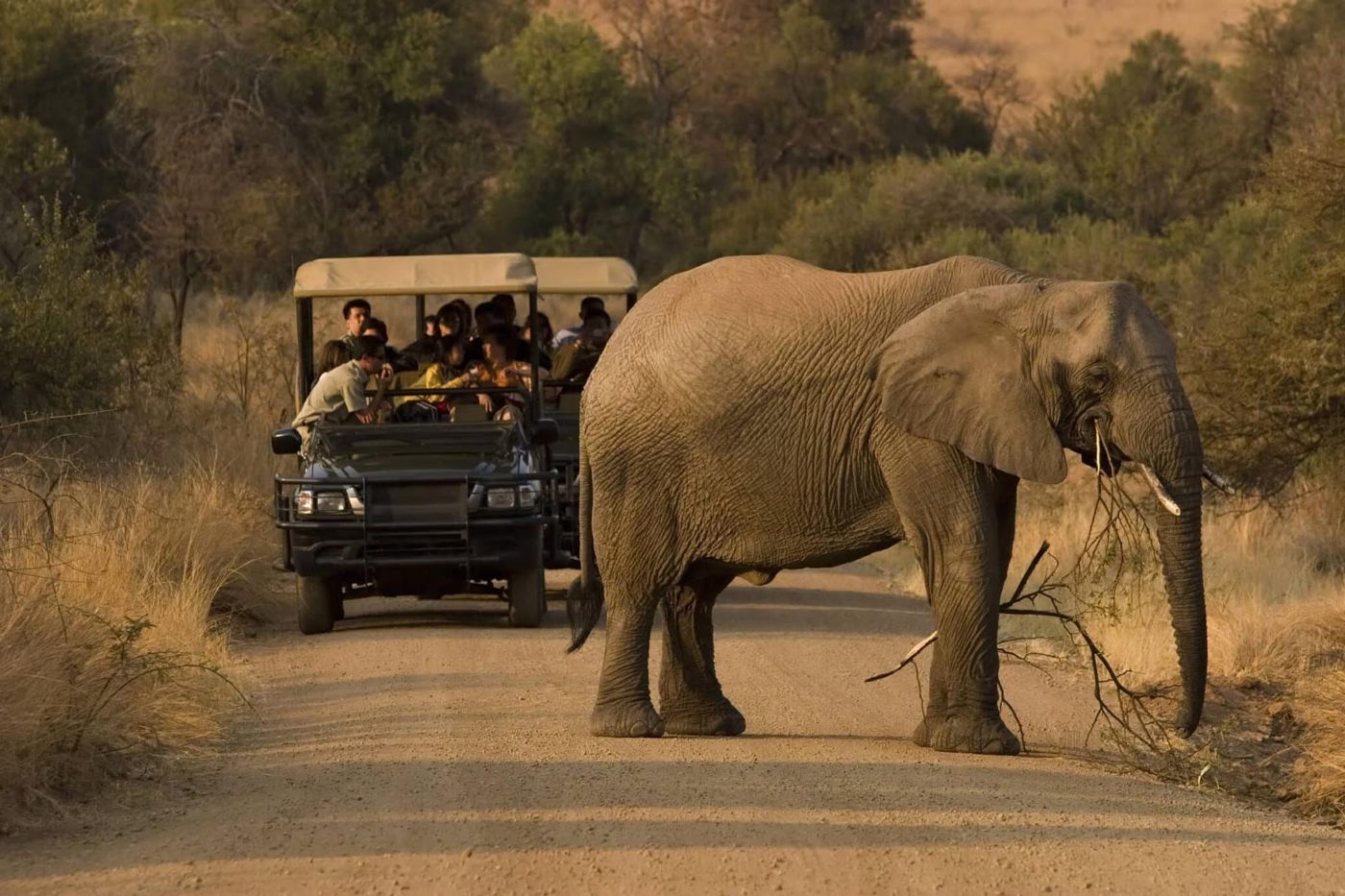
A walking safari adventure is an exciting, immersive way to experience Africa's wildlife and landscapes. Unlike traditional game drives, it involves trekking on foot through national parks and reserves, guided by experienced rangers. This allows you to connect with nature on a deeper level and gain a fresh perspective on the ecosystem. Furthermore, you’ll learn about animal behavior, plant life, and the intricate connections between species as you explore.
Why Explore Nature on Foot?
Walking safaris allow you to experience the natural world at a slower pace. For example, you’ll be able to observe the finer details of the environment—like animal tracks, bird songs, and plant species—that you might miss in a vehicle. In addition, you can stop to take in the scenery and engage with your surroundings in a way that’s impossible when traveling by car.
Key Advantages of a Walking Safari
1. Building a Deeper Connection with Nature
One of the most rewarding aspects of a walking safari is the chance to immerse yourself in nature. Unlike other safari experiences, being on foot allows you to notice the little things—the subtle changes in the landscape, the sounds of insects, and even the shift in the air. This connection fosters mindfulness and enhances your appreciation of the wilderness.
2. Educational Opportunities
Guides on walking safaris share a wealth of knowledge, providing insight into the ecology of the area. In particular, you’ll learn how the plants and animals interact within the ecosystem. Moreover, these experts may teach you about conservation efforts and how the local communities contribute to preserving the environment.
3. Observing Wildlife in a New Way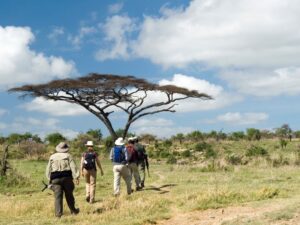
When you're walking safari adventure through the bush, animals often become less aware of your presence. As a result, you can observe them in their natural behavior. For instance, you might spot elephants grazing, birds nesting, or smaller creatures going about their daily activities. This level of interaction is impossible when confined to a vehicle.
4. Physical and Mental Health Benefits
Aside from the excitement of exploration, walking safaris offer great health benefits. As you trek through varied terrain, you’ll get a full-body workout, which can improve cardiovascular health and boost your energy levels. Additionally, the time spent in nature has been shown to reduce stress and improve overall mental well-being.
Exploring Different Types of Walking Safaris
There are several types of walking safari adventure, each designed to offer a unique experience. Whether you prefer a short excursion or a multi-day trek, there’s a walking safari to match your needs.
1. Shorter Walks
If you’re limited on time, a shorter walking safari might be ideal. For example, half-day walks allow you to explore the area briefly, often with the option of returning for other activities later in the day.
2. Full-Day Walks
For those seeking a more in-depth experience, full-day walking safaris are perfect. These treks take you deeper into the wilderness, giving you more time to observe wildlife and learn about the local environment.
3. Multi-Day Expeditions
Multi-day safaris offer an immersive experience, allowing you to explore diverse landscapes over several days. These longer journeys often involve camping or staying in lodges, adding a sense of adventure to your experience. Additionally, you’ll have the chance to encounter a wide variety of animals and landscapes, creating lasting memories.
Preparing for Your Safari Adventure
A little preparation goes a long way in ensuring that your walking safari is comfortable and enjoyable. To start, in walking safari adventure make sure you have the right gear to handle different terrains and climates.
1. Proper Attire
Wear lightweight, breathable clothing that’s suitable for hiking. In particular, neutral-colored clothing helps you blend into the environment, making it easier to observe wildlife. Don’t forget sturdy shoes for walking and a hat to protect from the sun.
2. Staying Hydrated
During a walking safari, it’s easy to forget the importance of staying hydrated. Therefore, always carry a water bottle and drink regularly to avoid dehydration.
3. Essential Gear
In addition to water, pack sunscreen, insect repellent, and a camera. Furthermore, a small backpack can help you carry snacks, a first-aid kit, and any other personal items you may need.
Safety Tips for Walking Safaris
Although walking safaris are generally safe, there are certain precautions you should take. For example, walking safari adventure always follow the advice of your guide and be mindful of the wildlife around you.
1. Listen to Your Guide
Your guide is a trained expert who knows the area inside and out. Therefore, always pay attention to their instructions, whether it’s for your safety or to enhance your experience.
2. Respect Wildlife
When observing animals, maintain a safe distance. In particular, avoid sudden movements or loud noises that could disturb them. Your guide will instruct you on how to behave to ensure you don’t interfere with the animals’ natural activities.
3. Stay on the Path
Stick to designated paths to minimize your impact on the environment and ensure your safety. By following the trail, you reduce the risk of stepping into dangerous areas or damaging the delicate ecosystem.
Conclusion: Embark on Your Walking Safari Adventure
A walking safari offers a unique way to experience Africa’s wildlife and landscapes. By immersing yourself in the natural world, you’ll gain a deeper appreciation for the ecosystem and have unforgettable experiences with wildlife. Whether you opt for a short excursion or a multi-day trek, each step will bring you closer to understanding the beauty and complexity of the African wilderness.
So, if you're ready, gear up and embark on a walking safari adventure. The wilderness awaits!