Weather Guide for African Safaris: When to Visit Southern Africa
Why Weather Matters on an African Safari
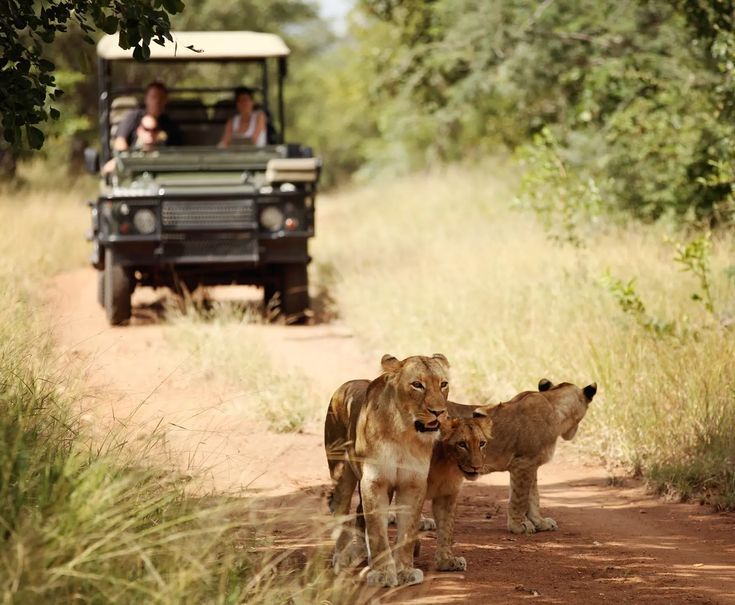
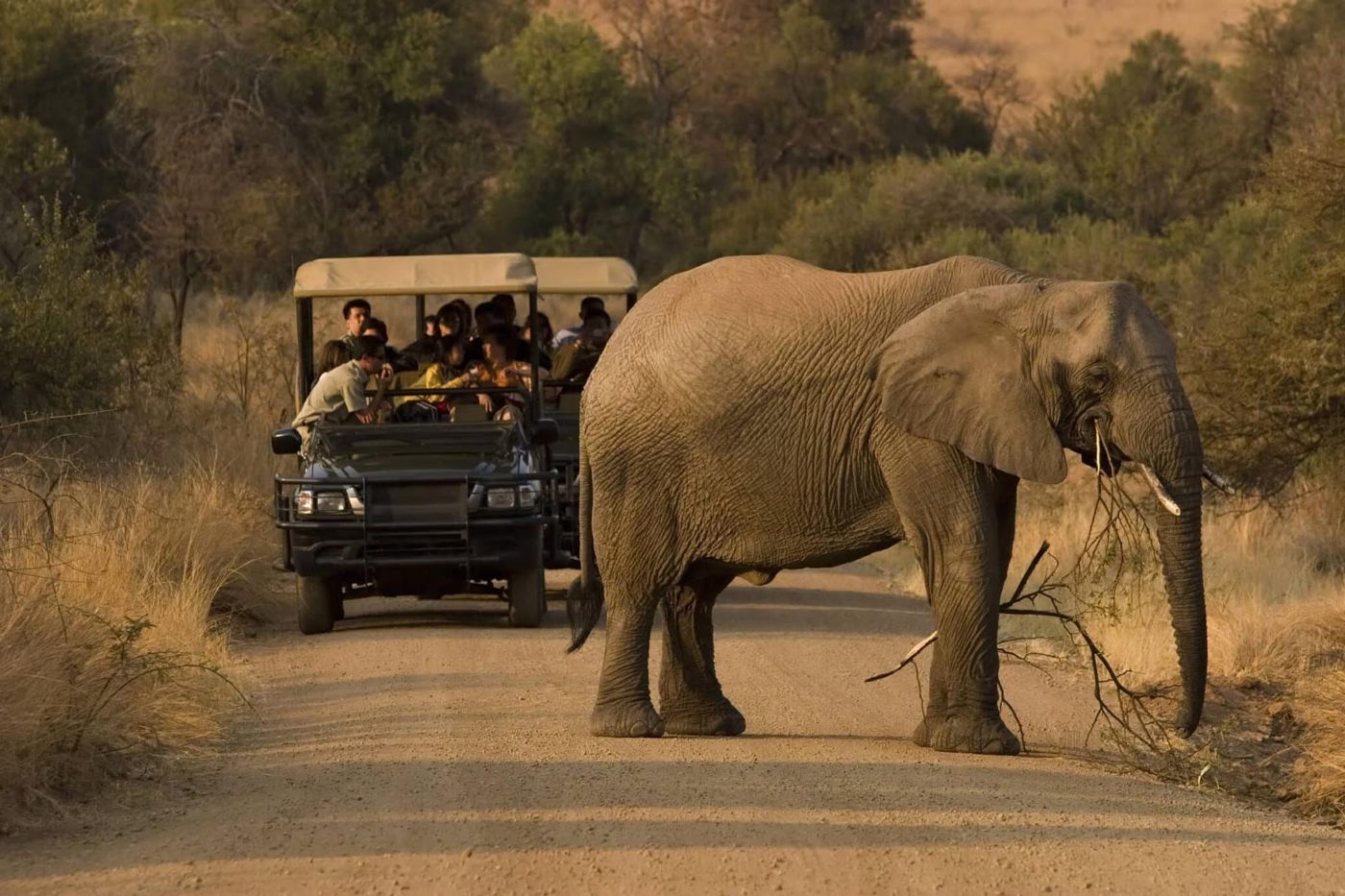
Weather can affect wildlife viewing, road conditions, photography, comfort, and activities. Therefore, knowing the seasonal patterns before you travel is useful. During dry months, vegetation is often thinner. As a result, animals can be easier to spot. Many animals also gather around rivers, waterholes, and other reliable water sources. On the other hand, the rainy or green season can transform the landscape. Grass becomes greener, trees produce fresh leaves, and many young animals are born. Birdlife can also be excellent. However, weather is never completely predictable. A dry-season safari can still have a cold morning. Likewise, a rainy-season safari can have long periods of sunshine. That is why it is better to think about what kind of safari experience you want, rather than simply looking for the “best” weather.Weather Guide for African Safaris: South Africa
South Africa is one of the easiest places to plan a safari because it offers a range of wildlife destinations and climates. For Knap Tours, some of the most popular safari areas include Kruger National Park and Sabi Sands. Kruger National Park is in a summer rainfall area. According to SANParks, the summer months are generally hot, with rainfall that can include heavy thunderstorms. Winters are warmer and milder.Summer in Kruger: October to April
- Green landscapes
- Migratory birds
- Young animals
- Dramatic thunderstorms
- Beautiful sunsets
- Excellent photography opportunities
Winter in Kruger: May to September
Winter is usually drier. Consequently, vegetation becomes thinner and wildlife often gathers closer to available water. This can make game viewing easier. Early mornings can be cold, especially when you are sitting in an open safari vehicle. However, afternoons are often pleasant and sunny. Therefore, layers are essential. A warm jacket for an early game drive can make a big difference. Later in the day, you can remove layers as temperatures rise.Knap Tours Kruger Safari
One excellent option is the 4-Day Kruger Wildlife Safari – Tremisana Lodge Stay. The package combines wildlife, bush experiences, and scenic attractions. The itinerary includes a sunset game drive, a guided bush walk, a full-day Kruger safari, and a Panorama Route experience. It also includes accommodation at Tremisana Game Lodge and guided activities. Book NowWeather Guide for African Safaris: Sabi Sands
Sabi Sands is another fantastic choice for travellers looking for Big Five encounters. The reserve is located next to Kruger National Park. Because of its location, it follows a similar seasonal pattern. The dry winter months can be especially good for wildlife viewing. The vegetation is less dense, and animals often gather around water sources. However, the green season should not be ignored. Rain can create beautiful scenery. The bush becomes lush and green, while young animals and birdlife add extra excitement.Knap Tours Sabi Sands Safari
Knap Tours offers the 4-Day Sabi Sands Safari at Umkumbe Safari Lodge. The package includes morning and afternoon game drives. Guests stay at Umkumbe Safari Lodge and have opportunities to experience the Greater Kruger wilderness. The safari is suitable for couples, families, solo travellers, and wildlife lovers. The lodge also gives guests time to relax between game drives. So, you do not have to spend every moment on the road. Book NowWeather Guide for African Safaris: Botswana
Botswana Dry Season
May to October is generally dry. Days can be warm and sunny. However, nights and early mornings can become very cold. This is important if you are planning early morning game drives. The dry landscape can also make wildlife easier to find. Animals often move towards permanent water sources. As a result, this period is popular with safari travellers.Botswana Green Season
November to March brings rain. The landscape becomes greener, and temperatures can be high. Rainfall can be unpredictable and regional, meaning one area may receive rain while another stays dry. The green season can be particularly appealing to photographers and birdwatchers. Therefore, travellers should not assume that the rainy season means a poor safari. In fact, it can provide a completely different experience.Knap Tours Botswana Packages
Knap Tours offers Botswana experiences that combine wildlife and beautiful waterways. The 6-Day Big Five Safari: Chobe & Okavango Delta Adventure is a strong choice for travellers who want more time in Botswana. Knap Tours also offers the 6-Day Ultimate Victoria Falls & Chobe Big Five Safari, combining wildlife with one of Africa's most famous natural attractions.Weather Guide for African Safaris: Namibia
Namibia is very different from the wetter safari areas of Southern Africa. It is one of the driest countries in the region. The country also receives around 300 days of sunshine a year, according to Visit Namibia. However, temperatures can change dramatically between day and night.Namibia Summer: October to April
Summer can be hot. Temperatures in some parts of Namibia can reach 35°C or higher. The summer months are also the rainy season. Rain is often short and dramatic rather than lasting all day. The benefit is that the landscape can become greener. This creates beautiful contrasts against Namibia's famous red dunes and dry landscapes.Namibia Winter: May to September
Winter days are generally pleasant. However, nights can become very cold. In desert areas, temperatures can drop close to freezing. Therefore, warm clothing is important even if your daytime plans involve shorts and T-shirts. Namibia is considered a year-round destination, so the best time depends on your preferred activities and comfort level.Knap Tours Namibia Adventures
Knap Tours offers several Namibia packages. The 7-Day Ultimate Namibia Adventure: Dunes, Coast & Safari combines major landscapes and wildlife experiences. There is also the 10-Day Namibia Explorer: Dunes, Wildlife & Cultural Highlights for travellers who want more time to explore. For those with more time, Knap Tours also offers a 22-Day Authentic Namibia Safari & Cultural Explorer.Weather Guide for African Safaris: Victoria Falls
Victoria Falls is another destination where weather and water levels can affect your experience. The falls can be visited throughout the year. However, the amount of water changes with the seasons. The Victoria Falls tourism organisation explains that water levels are generally highest between April and June and lowest around October to December.High-Water Season
Around March to May, the falls can become extremely powerful. The huge volume of water creates thick spray and dramatic rainbows. Therefore, this is an excellent time for travellers who want to experience the falls at its most powerful. However, heavy spray can make some viewpoints very wet and can sometimes reduce visibility.Low-Water Season
Later in the year, water levels drop. The advantage is that you may have clearer views of the rock formations and gorge. It is also a popular period for certain adventure activities, depending on current river conditions and operator schedules. Knap Tours offers Victoria Falls experiences that can be combined with safari adventures. For example, the 10-Day Southern Africa Safari: Kruger, Victoria Falls & Cape Town gives travellers the chance to experience wildlife, waterfalls, and one of Southern Africa's most famous cities in one journey.What Should You Pack for an African Safari?
Regardless of the season, packing correctly makes your safari more comfortable. First, choose light and comfortable clothing. Neutral colours are practical for game drives. You should also bring a hat and sunglasses for protection from the sun. For cooler months, pack:- A warm jacket
- Fleece or sweater
- Long trousers
- Warm socks
- Closed shoes
- A scarf or beanie for early drives
- Lightweight shirts
- Comfortable shorts
- Breathable trousers
- Sun hat
- Sunglasses
- Sunscreen
- Reusable water bottle