African Safaris: A Natural Experience for Japanese Travelers
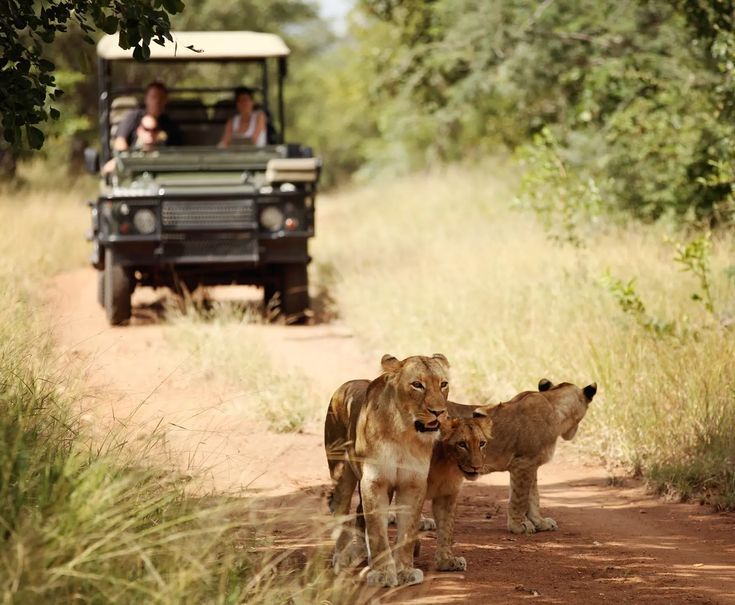
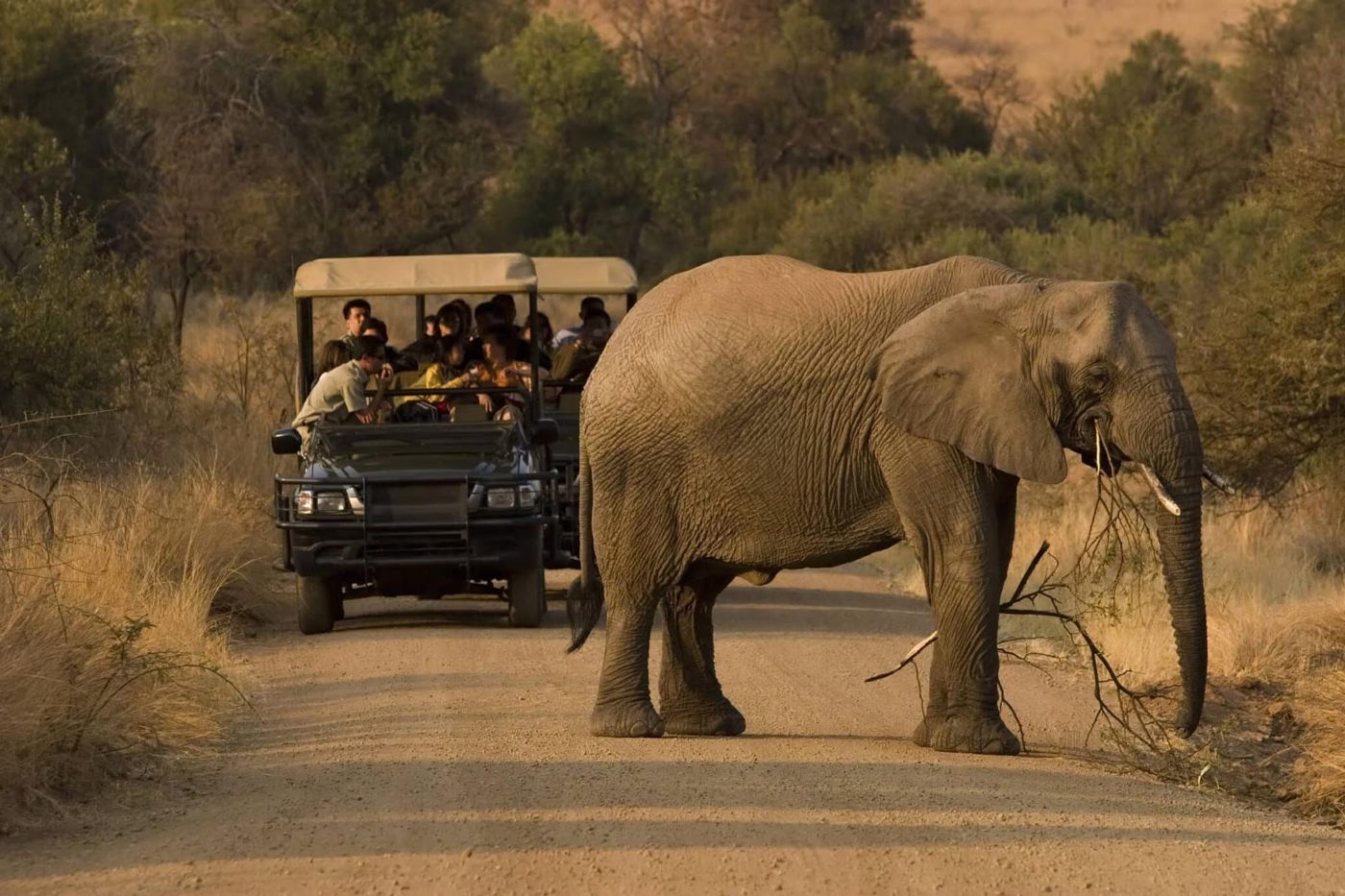
Africa offers something truly rare: authentic nature. Unlike many destinations, wildlife here lives freely in its natural environment. For Japanese tourists, this makes African safaris especially appealing.
In particular, safaris offer:
-
Wildlife observed in untouched landscapes
-
A slow and peaceful travel rhythm
-
Deep respect for nature and silence
Moreover, countries such as South Africa, Botswana, Namibia, Zimbabwe, and Eswatini are well prepared for international visitors. When trips are properly planned, these destinations are safe, comfortable, and welcoming to guests from Japan.
Choose the Right Safari Country
Not all safaris are the same. Therefore, selecting the right destination plays a key role in creating a rewarding experience.
Best Safari Countries for Japanese Tourists
South Africa
South Africa is ideal for first-time safari travelers. It offers excellent infrastructure, short driving distances, and high-quality lodges, which make travel smooth and stress-free.
Botswana
Botswana is known for its exclusivity and quiet atmosphere. As a result, it is particularly suitable for honeymooners or travelers seeking privacy and tranquility.
Namibia
Namibia stands out for its dramatic scenery. In addition to wildlife, travelers can enjoy vast deserts, open landscapes, and a calm, safe travel environment.
Zimbabwe
Zimbabwe delivers a more authentic safari experience. Furthermore, it includes Victoria Falls and is famous for its highly skilled guides.
Knap Tours helps Japanese travelers choose the most suitable country based on comfort level, preferred pace, and personal interests.
Best Time to Go on an African Safari
Timing is important. Generally, May to October is the best period for wildlife viewing in Southern Africa.
During this dry season:
-
Animals gather near water sources
-
Roads are easier to navigate
-
Weather conditions are pleasant
Additionally, this period avoids extreme heat, making travel more comfortable for Japanese visitors.
Safari Style: What to Expect
African safaris are fully guided and never rushed. Instead, they focus on observation, patience, and respect for nature.
A Typical Safari Day
A normal day usually includes:
-
An early morning game drive
-
Breakfast at the lodge
-
Rest time during the hottest hours
-
An afternoon or sunset game drive
This gentle rhythm feels calm and balanced. As a result, it aligns well with Japanese travel preferences. Silence is appreciated, listening is encouraged, and nature leads the experience.
Language and Communication Tips
English is widely spoken in safari destinations, and guides are accustomed to international guests. They usually speak clearly and patiently.
Helpful tips include:
-
Learning basic English wildlife terms
-
Asking guides to repeat information slowly when needed
-
Feeling comfortable asking questions
Many guides enjoy explaining animal behavior in detail and genuinely welcome curiosity.
Health, Safety, and Comfort
Safety is often a concern. However, with proper planning, safari travel is very safe.
Health Tips
-
Consult a doctor before traveling
-
Note that some safari areas are malaria-free
-
Use insect repellent when advised
Safety Tips
-
Always follow guide instructions
-
Avoid walking alone at night in safari areas
-
Maintain a respectful distance from wildlife
Knap Tours carefully selects lodges with strong safety standards, ensuring that your comfort remains a priority throughout the journey.
What to Pack for an African Safari
Packing light is recommended. Neutral-colored clothing works best in nature.
Essential items include:
-
Comfortable walking shoes
-
A light jacket for early mornings
-
Hat and sunscreen
-
Camera or smartphone
-
Power adapter
Bright colors and strong perfumes should be avoided, as they may disturb wildlife.
Food and Dietary Considerations
Most safari lodges can accommodate dietary needs. For example, Japanese travelers may request:
-
Light meals
-
Low-oil options
-
Vegetarian dishes
It is important to inform your tour operator in advance. Knap Tours communicates dietary preferences clearly to each lodge. Drinking water provided at lodges is safe, and bottled water is widely available.
Cultural Etiquette on Safari
Respect plays an important role on safari. Simple etiquette includes:
-
Speaking quietly during game drives
-
Never feeding animals
-
Asking permission before photographing people
Safari culture values patience and awareness, which naturally aligns with Japanese values.
Photography Tips for Japanese Travelers
Professional equipment is not necessary. In many cases, animals come quite close.
For best results:
-
Keep your camera ready
-
Use silent mode whenever possible
-
Follow your guide’s advice for positioning
Photography on safari is relaxed. There is time, space, and no pressure.
Combining Safari with City and Scenic Travel
Many Japanese travelers prefer a balanced itinerary. Therefore, safaris can easily be combined with:
-
Cape Town city tours
-
Scenic drives through the Winelands
-
Visits to Victoria Falls
-
Cultural village experiences
Knap Tours specializes in balanced journeys that blend nature with comfort, adventure with rest.
Why Book with Knap Tours?
Knap Tours understands the needs of long-haul travelers from Japan. We plan carefully, communicate clearly, and respect your preferred pace.
When booking with Knap Tours, you receive:
-
Custom-designed safari itineraries
-
Trusted guides and carefully selected lodges
-
Private transfers
-
Multi-country safari planning
Everything is arranged in advance, allowing you to travel with peace of mind.
Final Thoughts
An African safari is not difficult. It simply requires the right guidance. With thoughtful planning, safari travel for Japanese tourists is safe, comfortable, and deeply rewarding. Above all, it offers a meaningful connection to nature and memories that last a lifetime.
👉 Plan Your African Safari with Knap Tours
Ready to experience Africa for the first time? Let Knap Tours design a safari that matches your travel style, pace, and comfort. Visit knaptours.com today and begin your African journey.
Respectful. Safe. Unforgettable.