Okavango Delta in November: Is a Mokoro Safari Worth It?
November in the Okavango is a month of contrasts: hot afternoons, the possibility of dramatic thunderstorms, fresh bird activity and seasonal floodwaters that are generally retreating. A mokoro safari can still be wonderfully rewarding, but it is not a month to book on the assumption that every channel will be navigable.
Our advice is simple: choose November for its atmosphere, birdwatching and immersive bush experience, while keeping your water-based plans flexible. If long mokoro outings are the main reason for your journey, confirm conditions in the specific operating area before committing.
Published on Wednesday, 18 November 2026, this guide explains typical seasonal patterns rather than reporting live water levels or a weather forecast. For anyone considering the Okavango Delta in November, that distinction matters.
November weather: expect heat, with rain possible
November sits at the transition between Botswana’s hot dry season and the summer rainy season. Days can feel intensely hot, particularly in direct sun, and evenings may remain warm. Early rain is possible, but its timing and distribution vary: one area can receive a substantial shower while another stays dry.
A thunderstorm may bring welcome relief and beautiful skies, but it can also interrupt an outing. In an open mokoro, you are exposed to sun and weather, so sensible timing matters. Early starts generally offer more comfortable conditions for paddling channels and exploring on foot, with quieter time in shade during the hottest part of the day.
Do not assume rain will make the whole trip cool. Prepare for heat first, then add lightweight rain protection. Guides may adjust activities around thunderstorms, visibility and other safety considerations.
Why local rain does not immediately refill the Delta
The Okavango’s seasonal flood is not simply a response to rain falling over your campsite. Much of its water originates as rainfall in the Angolan highlands, then travels through the river system into Botswana. That journey takes months, and the flood spreads slowly through the Delta’s channels and floodplains.
This creates a seasonal rhythm that differs from the local rainfall calendar. The annual flood typically spreads through the Delta during Botswana’s dry season, while November generally brings receding seasonal floodwaters. Timing, extent and depth vary between years and locations.
Local November showers can wet the bush, fill small depressions and encourage new growth. They do not immediately restore the broad flood pulse or reopen every shallow mokoro route. Green surroundings are not proof of navigable water.
What that means for your mokoro safari
Some permanent channels and deeper waterways may remain suitable for an Okavango mokoro safari when nearby seasonal floodplains have become too shallow. Access points, route lengths and available activities therefore depend on the precise area being used, not just the month printed on your itinerary.
Before booking, ask where the experience will operate, whether mokoro excursions are currently running there and when conditions will be checked again. Also ask what happens if the planned water activity becomes unavailable. Do not assume a substitute activity or particular booking arrangement applies unless it has been confirmed.
Is a November mokoro safari worth it?
Yes, for travellers who value slow exploration and accept that nature sets the timetable. A mokoro is a traditional dugout-style canoe, although many safari operators now use modern versions. A skilled poler guides it through suitable shallow waterways, bringing you close to reeds, waterlilies and the smaller details of the wetland.
The appeal is less about covering distance than noticing what a faster journey might miss: a kingfisher above a channel, a frog tucked into vegetation or the sounds of birds moving through papyrus. Where water remains accessible, this quiet perspective can be exceptional.
It is not a guaranteed big-game viewing platform. Hippos, crocodiles and other wildlife require respectful distance and experienced judgement. Follow your poler’s instructions, remain seated as directed and never treat a channel as a swimming spot.
- November suits flexible travellers, keen birdwatchers and people happy with warm, simple bush camping.
- It is less suitable if you struggle with heat or want guaranteed access to extensive seasonal waterways.
- If mokoro time is non-negotiable, ask about the most reliable operating area and season before choosing dates.
Birdwatching: a strong reason to consider November
November can be an exciting transition for birdwatchers as summer migrants arrive and resident birds become increasingly active around the breeding season. The exact mix depends on habitat, rainfall and timing, but wetlands, woodland edges and open floodplains offer different possibilities.
Look for herons and egrets working the shallows, kingfishers along channels and African fish eagles around open water. Seasonal visitors can add variety, while changing plumage and calls make even familiar species interesting. No individual sighting is guaranteed.
A mokoro’s slower pace helps with observation, although reeds and a low seating position can limit views. Bring binoculars rather than relying entirely on a camera’s zoom. Tell your guide if birding is a priority so that stops and explanations can reflect your interests within the day’s practical limits.
When is the best time for a mokoro safari?
The best time for mokoro safari experiences depends on the part of the Delta you visit. Broadly, the dry-season flood period often offers more extensive water access in seasonal areas, and the cooler winter months can be more comfortable for outdoor activities.
However, there is no single calendar window that guarantees ideal conditions everywhere. Permanent-water areas behave differently from the Delta’s seasonal fringes, and a strong or weak flood changes what is possible.
November is therefore a conditional choice rather than a poor one. Prioritise current local advice over generic season charts. If your dates are fixed, choose an itinerary that fits the conditions instead of expecting the conditions to fit a preselected route.
Bush-camping comfort: what to check before booking
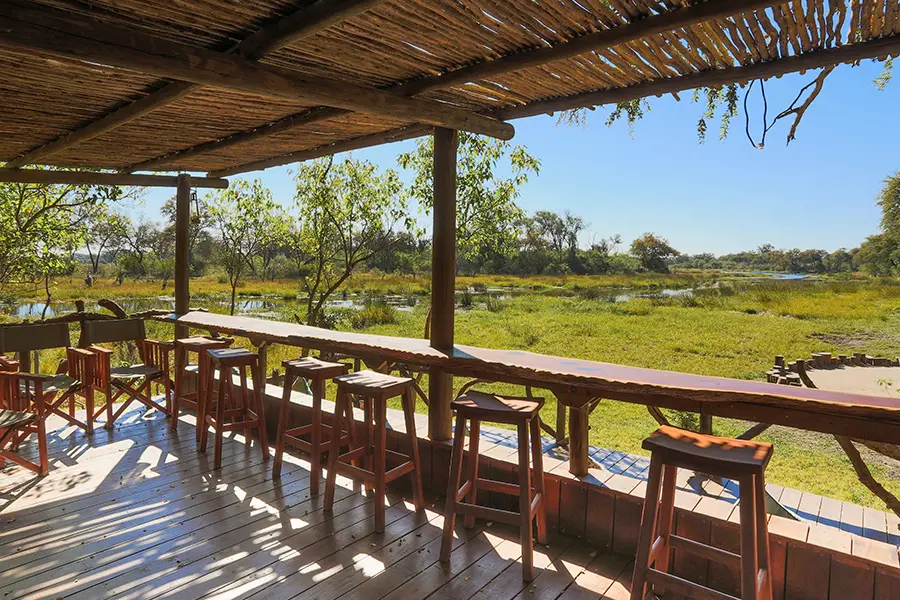
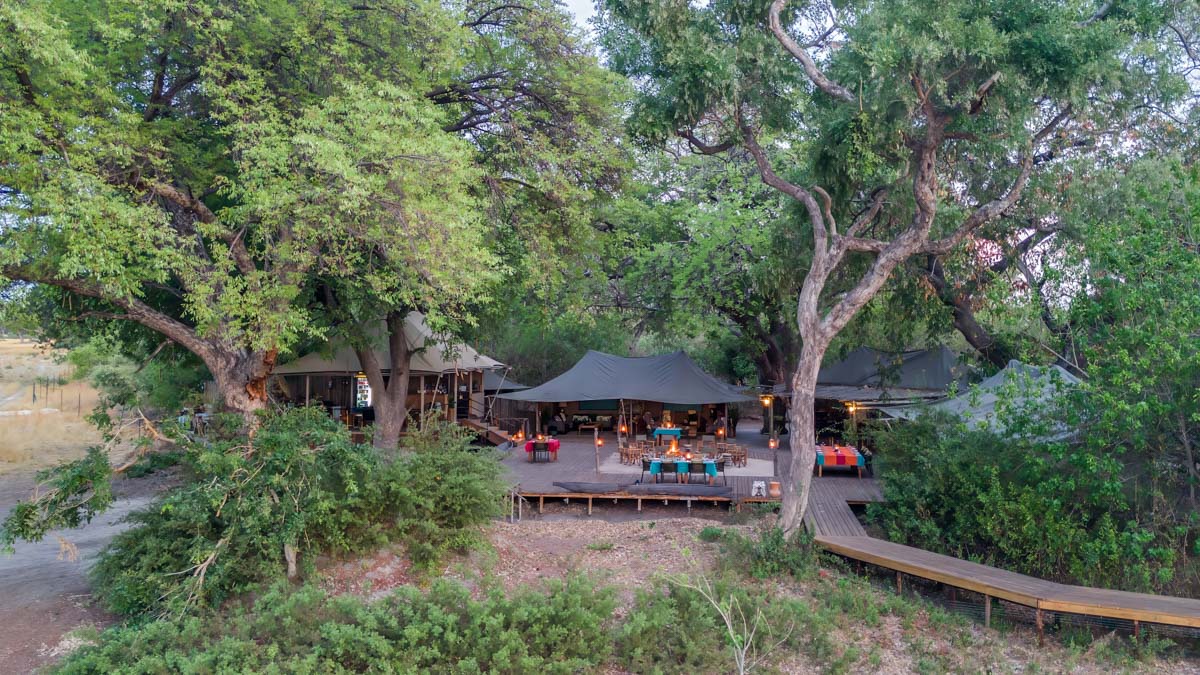
An Okavango Delta camping safari brings you close to the landscape, but it is different from returning to an air-conditioned lodge. November heat can linger inside tents, and rain may make paths muddy or leave equipment damp.
Ask exactly what the camp provides: tent ventilation and insect screening, sleeping arrangements, toilet and washing facilities, drinking water, shade and charging options. Confirm how luggage is transported and whether waterproof bags or luggage limits apply. These details are not interchangeable across camping experiences.
Keep tent screens closed, store belongings off the ground where practical and follow the guide’s instructions about moving around camp after dark. A headtorch is essential. The experience is most enjoyable when you arrive expecting a simple wilderness stay rather than lodge-style amenities.
Mosquito precautions and health planning
The Okavango is a malaria-risk area. Seek personalised advice from a travel-health professional before departure about malaria prevention and any medication appropriate for you. Mosquito activity varies locally, and an apparently dry week does not remove the need for precautions.
Use an effective insect repellent according to its label, wear lightweight long sleeves and trousers around dusk and after dark, and make proper use of screened tents or mosquito nets where provided. Seek prompt medical advice for fever during or after travel, mentioning your visit to Botswana.
What to pack
- A broad-brimmed hat, sunglasses and high-protection sunscreen.
- Light, breathable clothing, with long sleeves and trousers for sun and insect protection.
- A lightweight waterproof jacket and dry bags for electronics and spare clothing.
- Comfortable closed walking shoes and any additional footwear recommended by the operator.
- Insect repellent, personal medication and a small personal first-aid kit.
- A headtorch, binoculars and a power bank if charging is limited.
- A refillable water bottle; confirm the drinking-water arrangements before departure.
Explore with Knap Tours
Knap Tours’ 3-Day Okavango Mokoro Trails & Bush Camping Experience, from US$2772, is an option for travellers seeking a short, immersive Delta adventure. Before booking for November, ask us to confirm mokoro availability, the operating area, camping facilities and the current itinerary and inclusions.
Knap Tours is a SATSA and ATA member, rated excellent by more than 110 travellers on Google and SafariBookings. We encourage practical questions before payment, especially when seasonal water conditions are central to your holiday.
For a longer Southern African journey with a contrasting land-based experience, consider the 6-Day Kruger Bushwalks & Campfire Budget Safari. Ask about suitable connections rather than assuming the two experiences link directly.
FAQs
Are mokoro safaris available throughout November?
They may operate in suitable areas, but availability is not guaranteed across the Delta. Confirm local water levels, access and the planned route before booking and again close to departure.
Will November rain improve mokoro access immediately?
Not necessarily. Local rainfall does not immediately replenish the seasonal flood, which largely originates upstream in Angola. Showers and navigable channel depths are different things.
Is November camping comfortable for everyone?
No. Heat, insects and basic facilities can be challenging. Check the camp setup carefully, especially if anyone in your group has health concerns or needs reliable cooling and easier bathroom access.
Ready to explore the Delta at its own pace? Enquire with Knap Tours about the 3-Day Okavango Mokoro Trails & Bush Camping Experience. We will help you check activity availability and practical details before you book.